 English
 Español
 русский
 عربى
 中文简体

A wire magazine pocket that has held glossy covers for three months usually shows three different problems at once: a grey film along the lower fold where paper dust settles, a sticky patch where a cover-price label once sat, and a band of fingerprints across the acrylic divider. One cloth will not fix all three, and a wet cloth used in the wrong order is the fastest way to cloud acrylic, lift a powder-coated finish, or swell the edge of a laminate panel.
The short answer: work dry first, clean with a pH-neutral detergent at low concentration, keep standing water away from seams and board edges, and treat clear plastic pockets with nothing harsher than a soft cloth and a plastic-appropriate cleaner. Pockets and front lips need weekly attention; the frame, back panel and base need a monthly pass.
The four rules that prevent most cleaning damage
- Remove loose dust dry before any liquid touches the surface, so grit is not dragged across the coating.
- Use two cloths: one with detergent, one clean and barely damp for rinsing. A single cloth just redistributes soil.
- Match the chemistry to the material. Ammonia attacks acrylic, chlorinated cleaners dull powder coating, and alcohol clouds polycarbonate.
- Dry every edge and weld before restocking. Trapped moisture under a stack of magazines is what produces odour and edge rust.
Content
- 1 Match the Method to the Material Before You Pick Up a Cloth
- 2 A Twenty-Minute Routine That Works on Most Racks
- 3 Cleaning Methods Compared by Surface
- 4 The Hidden Cost of Skipping the Pockets
- 5 Where the Cleaning Time Actually Goes
- 6 Replace or Keep Cleaning? A Simple Decision Rule
- 7 Maintenance Schedule and Compliance Notes
Match the Method to the Material Before You Pick Up a Cloth
Most damage to display racks comes from the cloth and the solvent, not from the dirt. The six surfaces below cover the majority of magazine racks used in convenience stores, supermarkets and news areas, and each one reacts differently to water, alcohol and abrasion.
Powder-coated steel frame
Damp microfibre with neutral detergent, then a clean rinse cloth. Avoid scouring pads and chlorinated sprays, which dull the coating and expose edges to rust.
Acrylic or PETG pockets
Dry-dust first, then a plastic cleaner on a soft cloth. Never use ammonia-based glass spray or a dry paper towel, both of which leave fine scratches that trap dust permanently.
Wire grid and welded mesh
A brush attachment on a vacuum handles most of it. Follow with a damp cloth and dry the weld points, where water sits longest and rust starts first.
Laminate or MDF panels
A barely damp cloth only, then dry immediately. No soaking, no steam, and no standing water along the edge banding, which swells and lifts once moisture gets underneath.
Glass shelves and doors
A squeegee plus neutral detergent gives a streak-free result. Keep ammonia away from tinted film and printed edge graphics, which haze over repeated exposure.
Aluminium tracks and dividers
A cotton swab with isopropyl alcohol clears the channel. Finish with dry silicone on sliding parts, never oil, which collects paper dust into a sticky paste.
Where pockets lift out, cleaning becomes a bench job rather than an aisle job, which is safer and much faster. Modular racks such as the flexible modular display rack are built around that idea: dividers and pockets come away, so each part can be washed and dried flat before reassembly.
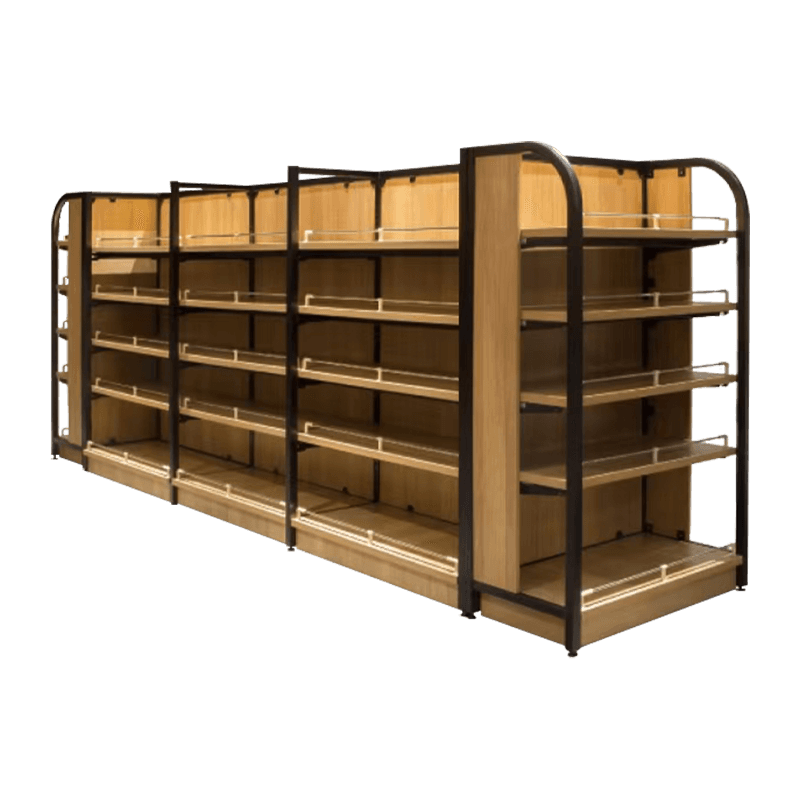 Adjustable Modular Retail Shelving Display RackTool-free modular rack with removable dividers and pockets, letting retailers reconfigure layouts and clean parts flat between seasonal resets.View Product →
A Twenty-Minute Routine That Works on Most Racks
The sequence matters as much as the products. Following this order keeps grit off the cloth and stops dirty water from drying on a surface you have already cleaned.
- Empty and inspect. Pull every copy, set returns aside, and check pockets for cracks, loose screws and torn dividers before cleaning around them.
- Remove dust dry. Work top to bottom with a brush attachment or soft brush, including the back panel and the gap behind the bottom pocket.
- Soften label residue. Hold an isopropyl-dampened cloth over the adhesive for thirty seconds, then lift it with a plastic scraper. Never use a blade on acrylic.
- Wash with detergent. Fold the cloth into quarters, wipe in overlapping passes, and turn to a clean face often. Detergent strength should be mild enough to feel slippery, not soapy.
- Rinse and dry. Go over the same area with a clean, barely damp cloth, then dry with a microfibre towel. Leave pockets open for ten minutes before restocking.
- Finish the touch points. Front lips, divider tabs and handles collect the most hand contact, so clean and disinfect them last with a product compatible with the surface.
- Restock with the covers facing out. Confirm nothing overhangs the pocket edge, since a protruding cover catches dirt and tears on the next pull.
Cleaning Methods Compared by Surface
The Hidden Cost of Skipping the Pockets
Delay does not add dirt in a straight line. Paper dust binds with skin oils and humidity, so the effort needed to restore a rack climbs faster the longer it is left. The chart below shows planning estimates for wipe passes needed on a standard pocket rack in a typical store aisle.
Wipe passes to restore a rack, by weeks since last clean
The practical takeaway is that a weekly dry pass costs less than the quarterly scrub it prevents. Once adhesive and oil cure for several weeks, part of the residue migrates into micro-scratches and cannot be removed at all, which is why older racks look permanently dull even after cleaning.
Where the Cleaning Time Actually Goes
Time studies of routine display maintenance consistently show the same pattern: clear plastic and small gaps absorb most of the labour, while large flat panels are quick. Allocating staff time accordingly keeps the job realistic.
If your team has only ten minutes, spend them on the pockets and the front lip. Those are the parts customers touch and read at close range, and they deliver the visible improvement that justifies the rest of the schedule.
Replace or Keep Cleaning? A Simple Decision Rule
Cleaning is the cheaper option until the surface itself fails. Use these three checks before committing another year of labour to a rack.
Keep and clean
Frame is square, coating is intact, welds are sound, and pockets are clear rather than crazed. Cleaning restores the appearance fully.
Replace the pockets only
Crazing, cracks or yellowing that survives cleaning are permanent. New pockets on a good frame cost far less than a new rack and remove the scratches that keep trapping soil.
Replace the rack
Rust bleeding through welds, loose joints or a base that rocks mean the structure is compromised. Cleaning will not fix geometry or corrosion.
Put a number on it before deciding. Twelve minutes of weekly cleaning at an 18 USD hourly labour rate costs about 3.60 USD per week, or roughly 187 USD a year, per rack. Compare that with the purchase price and the twelve-year service life a well-built rack can deliver, and the cleaning schedule is almost always the better investment. For a wider view of construction, coating and load ratings, the site's buyer's guide to commercial display racks covers what to specify so the rack stays cleanable in the first place.
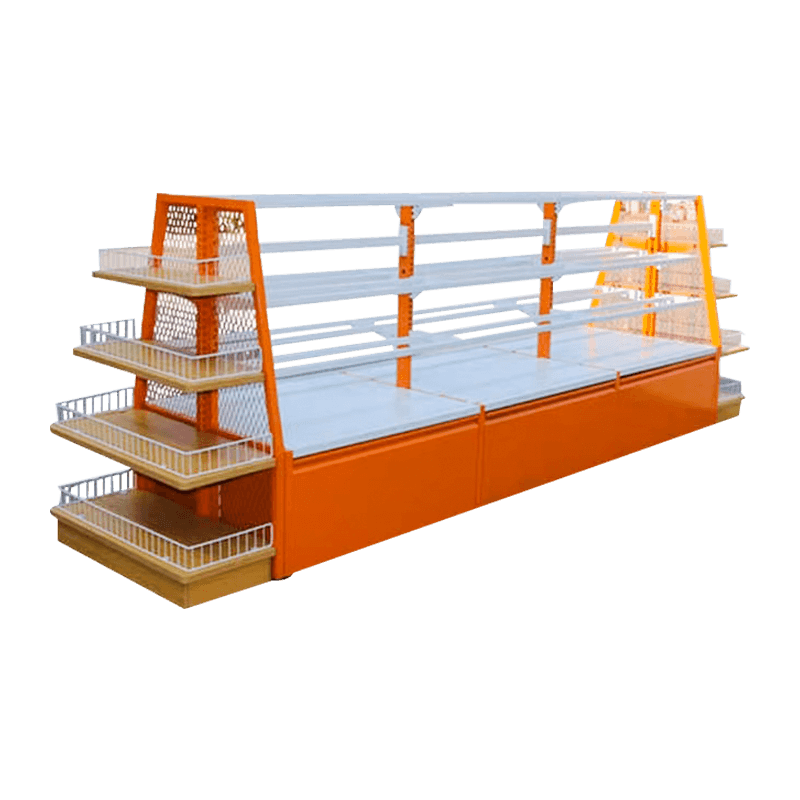 Heavy-Duty Retail Display Rack for SupermarketsSteel supermarket rack with adjustable shelves and anti-rust finish, suited to high-load displays where a written cleaning schedule protects long-term appearance.View Product →
Maintenance Schedule and Compliance Notes
A written schedule turns cleaning from a task someone remembers into a task that happens. It also supports the safety side of display maintenance, which is easier to overlook than the cosmetic side.
- Weekly: dry-dust pockets, wipe the front lip and divider tabs, check for cracked pockets and remove any cover that overhangs.
- Monthly: wash the frame and base, vacuum the back panel, tighten visible fasteners, and touch up coating chips with matching paint before rust begins.
- Quarterly: deep-clean acrylic with a plastic polish, inspect welds and floor levellers, and replace worn pockets rather than polishing around scratches.
- Compliance: keep aisle clearance and exit routes unobstructed, never stack stock against the rack in a way that blocks a sprinkler or extinguisher, and store cleaning chemicals in labelled containers away from paper stock, which absorbs odours.
- Electrical safety: if the rack carries LED lighting, isolate the circuit before any wet cleaning and keep cloths away from connectors and drivers.
- Staff protection: gloves for residue removers, ventilation when using alcohol, and a wet-floor sign while racks are pulled out for a deep clean.
None of this requires specialist equipment. Two microfibre cloths, a soft brush, a neutral detergent, a plastic cleaner, isopropyl alcohol for adhesive and hardware, and dry silicone for moving parts will handle almost every magazine rack in a retail environment. The discipline is in the order: dry first, mild chemistry second, dry again, and never let water sit where paper dust and steel meet.