 English
 Español
 русский
 عربى
 中文简体

A shopper drags a cart along the lower shelf, a stock clerk slides a heavy carton across the front edge, and the cleaning crew wipes the same surface twice a day. That is the real test for painting metal shelves. The flat panel usually survives; the front edge, weld seam, and rack-contact points tell the truth.
The conclusion first: for most retail shelving, a powder coating over properly cleaned and phosphated steel gives the best balance of edge protection, color consistency, and cleaning resistance. Liquid paint remains useful for short runs, tight color matching, and field repair. Galvanizing is a corrosion barrier, not a decorative finish, and it still needs a topcoat in wet, high-traffic, or visible retail zones.
Content
- 1 The finish starts before the first coat, not at the spray gun
- 2 Powder coating, liquid paint, and galvanizing: compare the whole system
- 3 The hidden cost is not the paint; it is the repaint
- 4 Finish requirements change by retail zone
- 5 A practical selection path from drawing to purchase order
- 6 Prep, film build, and cure: the tolerances worth writing into the PO
- 7 ROI check: price per shelf versus cost per clean shelf
- 8 Maintenance and compliance: keep the finish inside its design window
Direct answer for buyers
Specify five items together: substrate preparation, coating type, dry-film thickness, cure window, and touch-up method. If one is missing, the other four rarely save the finish. A low-cost coating that chips at the front edge becomes an expensive repaint, a customer-facing defect, and a delivery risk.
That answer shifts when the shelf is decorative, when the batch is small, or when the store is near a wet or coastal environment. The rest of this guide explains the trade-offs in practical procurement terms.
The finish starts before the first coat, not at the spray gun
Metal shelves are not uniform surfaces. Cold-rolled steel may carry mill oil, stamping residue, or laser scale. Welds create porous zones. Cut edges expose bare steel. Punched holes and back-panel slots hold dust and cleaning chemicals. A coating that looks good on a flat sample can fail quickly on a real shelf because the preparation did not match the geometry.
- Substrate condition: confirm whether the steel is cold-rolled, hot-rolled, galvanized, or pre-coated. Each needs a different cleaning and pretreatment route.
- Edges and welds: ask for edge coverage and weld treatment to be checked on a finished sample, not only on a flat test panel.
- Cleaning: solvent cleaning alone may remove oil but not salts. A phosphate conversion coating or equivalent pretreatment improves adhesion and corrosion resistance.
- Rack marks: powder coating is cured at high temperature, so contact points can leave thin spots. Inspect hidden faces, not just the display side.
Edge coverage
Cut edges and punched holes are where corrosion begins. A 60–90 µm powder film on a flat face can still be thin on a sharp edge.
Color consistency
Batch-to-batch gloss and hue variation is easier to control with a single powder source and a defined cure window than with mixed liquid-paint batches.
Repair strategy
A shelf system needs a touch-up plan. Color-matched aerosol or brush repair is not cosmetic; it slows corrosion at damaged edges.
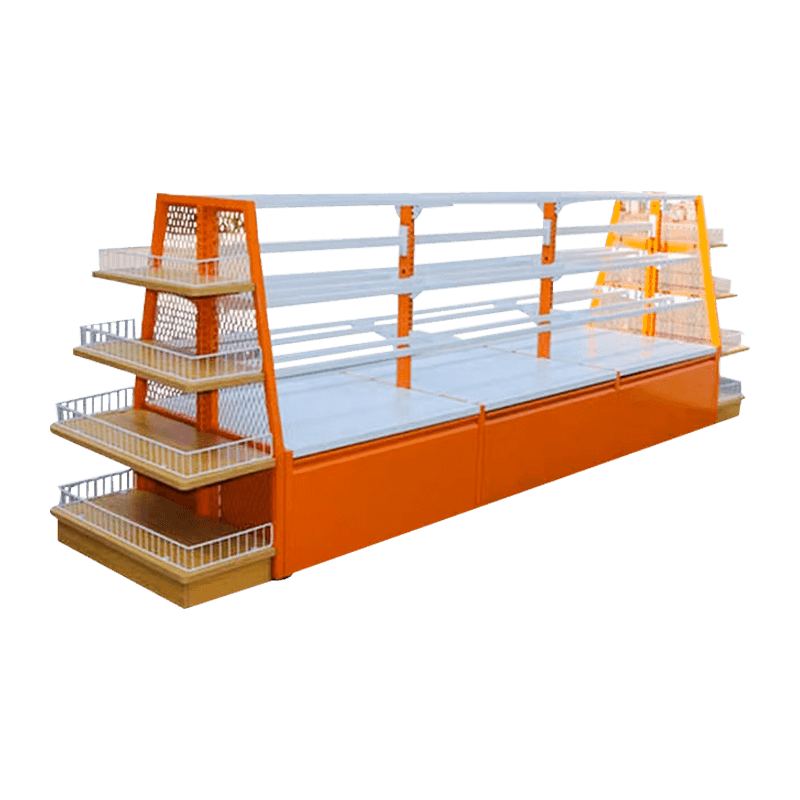
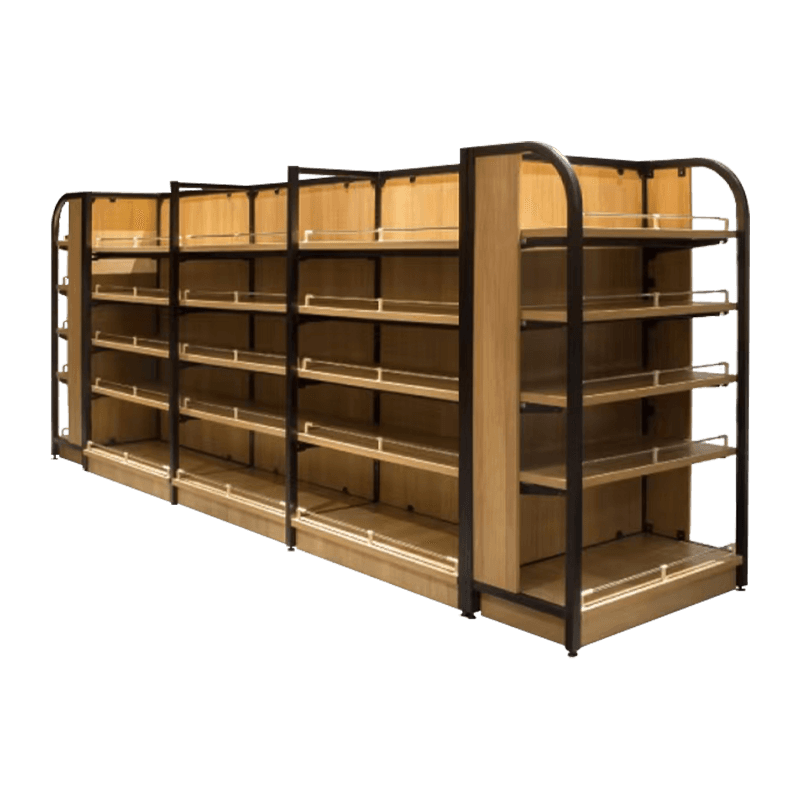
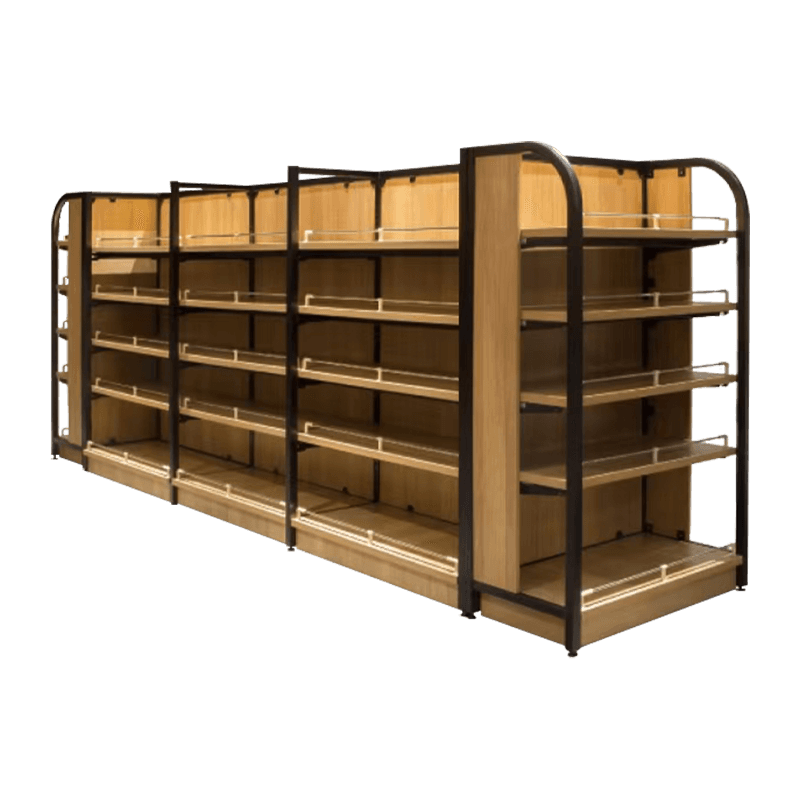
For a multifunctional dry-grocery rack, the ZSJ1 platform is the kind of base where finish specification should be agreed before production, not after the first container is packed. Buyers comparing shelf structures can also review the commercial display rack buyer’s guide before locking the coating schedule.
 Heavy-Duty Retail Display Rack for SupermarketsA high-strength steel shelf for boxed and bottled goods, with adjustable tiers and anti-rust finish; specify coating before production.View Product →
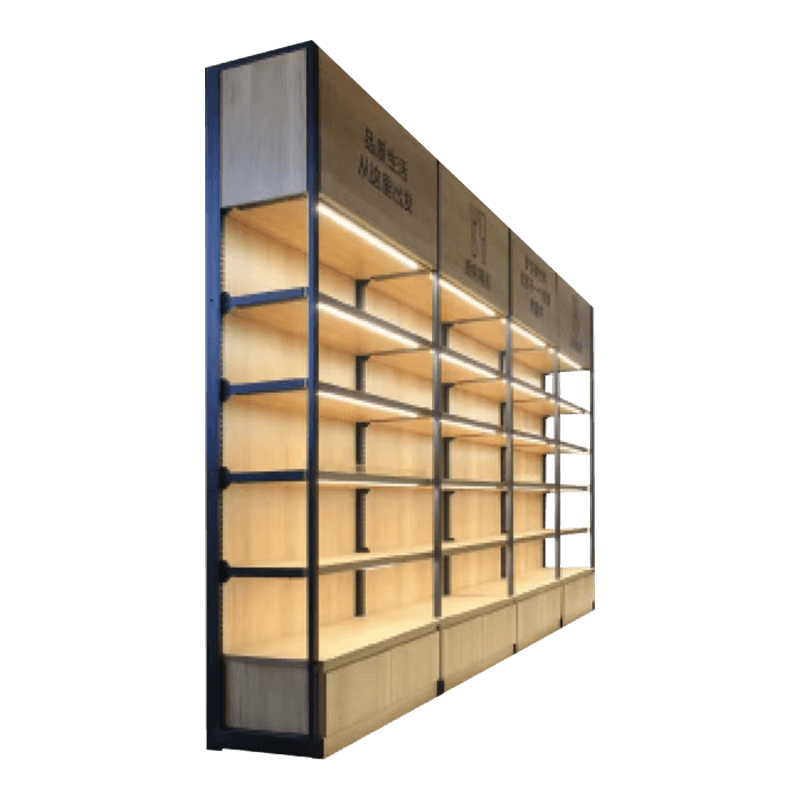
The same logic applies to steel-wood shelving: the wood panel may set the visual tone, but the steel frame and edge details set the maintenance cost.
Powder coating, liquid paint, and galvanizing: compare the whole system
Do not compare only price per kilogram of coating. Compare first cost, film build, cure requirement, repairability, and appearance in the actual retail zone. The comparison below is a practical starting point for a purchase order, not a universal specification.
A shelf finish that fails in year two creates a cluster of costs that never appear on the coating quotation: emptying shelves, moving stock, masking adjacent fixtures, drying time, and the risk of a visible color mismatch in a trading store. The chart below uses an index, not currency, to show where those costs concentrate.
The procurement implication is simple: a slightly higher coating cost is easier to justify when the store cannot afford a mid-season repaint. For high-visibility shelving, the finish also has to match the brand color under store lighting, not only on a supplier’s color chip.
Finish requirements change by retail zone
A single store can need three different coating strategies. Dry grocery shelving faces cart impact and abrasion. Checkout counters face hand contact and cleaning chemicals. Produce and ice-fresh zones face moisture. The pie chart below shows a planning view of where finish attention usually goes in a mixed retail project.
In wet zones, specify a coating system with documented humidity and salt-spray performance. In premium display zones, specify gloss level and texture because the same color can look different under warm accent lighting and cool aisle lighting.
A practical selection path from drawing to purchase order
The fastest way to avoid a coating dispute is to make the finish decision visible on the approved drawing. Follow a short sequence and record the result in the specification, not only in email.
1. Define the abuse
State where the shelf sits, what cleaning chemicals are used, and whether carts, pallets, or hand trucks contact it.
2. Choose the coating route
Select powder, liquid, or a galvanized-plus-topcoat system. Ask for the dry-film thickness range and cure window.
3. Approve a real sample
Check color, gloss, texture, edge coverage, and hidden rack-contact faces on a production-like sample.
4. Lock inspection terms
Write acceptance criteria for adhesion, film thickness, color, and touch-up into the purchase order.
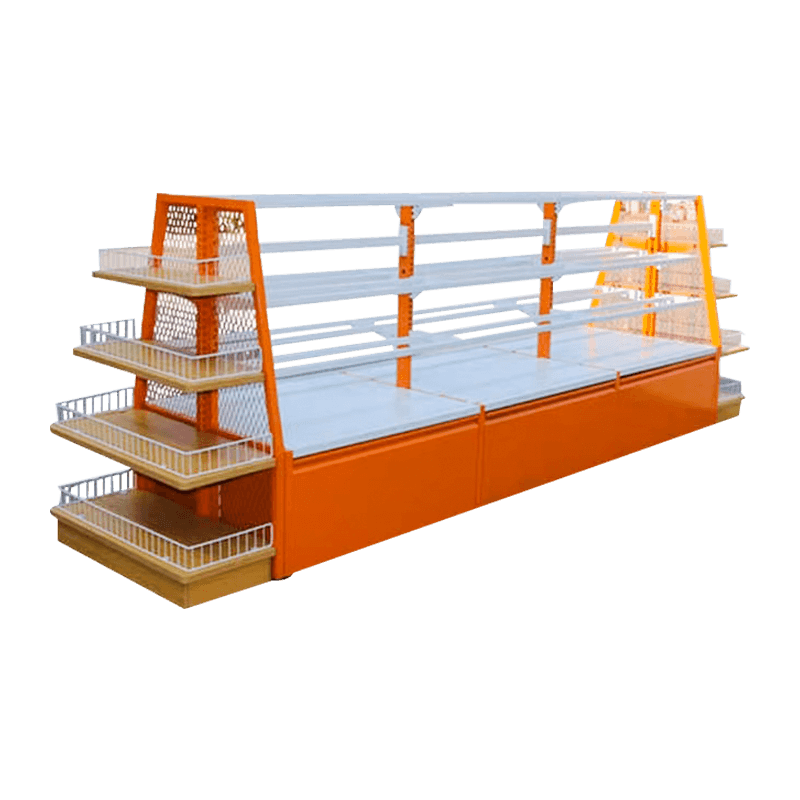
 Adjustable Modular Retail Shelving Display RackTool-free modular steel shelving for seasonal resets, with adjustable spacing and accessory compatibility; coating and touch-up should suit repeated reconfiguration.View Product →
Modular racks need a finish that survives reconfiguration. Every time a bracket is moved, the contact area is exposed to a new abrasion cycle, so touch-up access and color matching matter as much as the original coat.
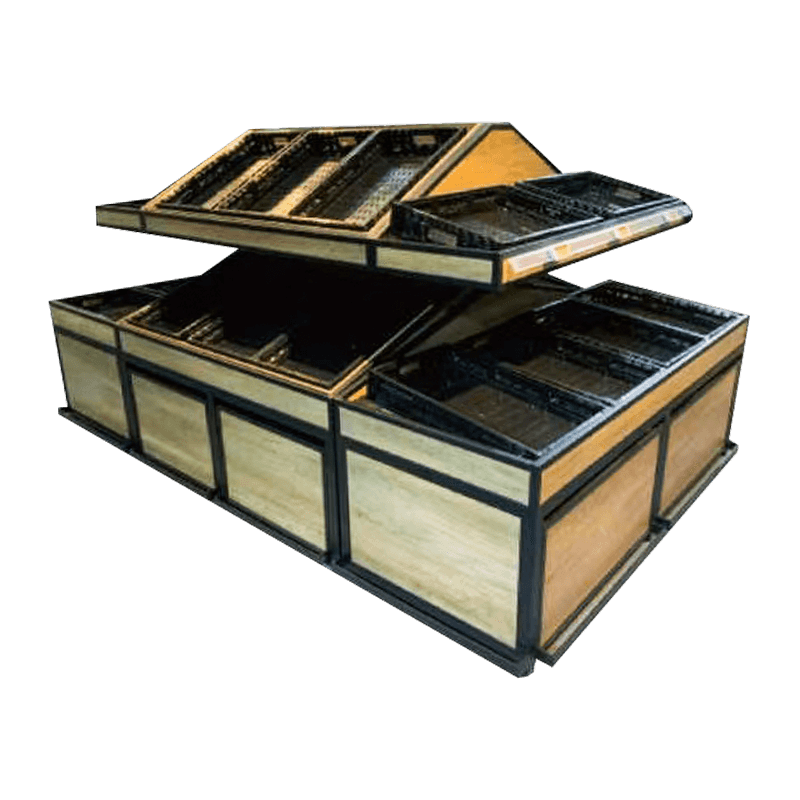
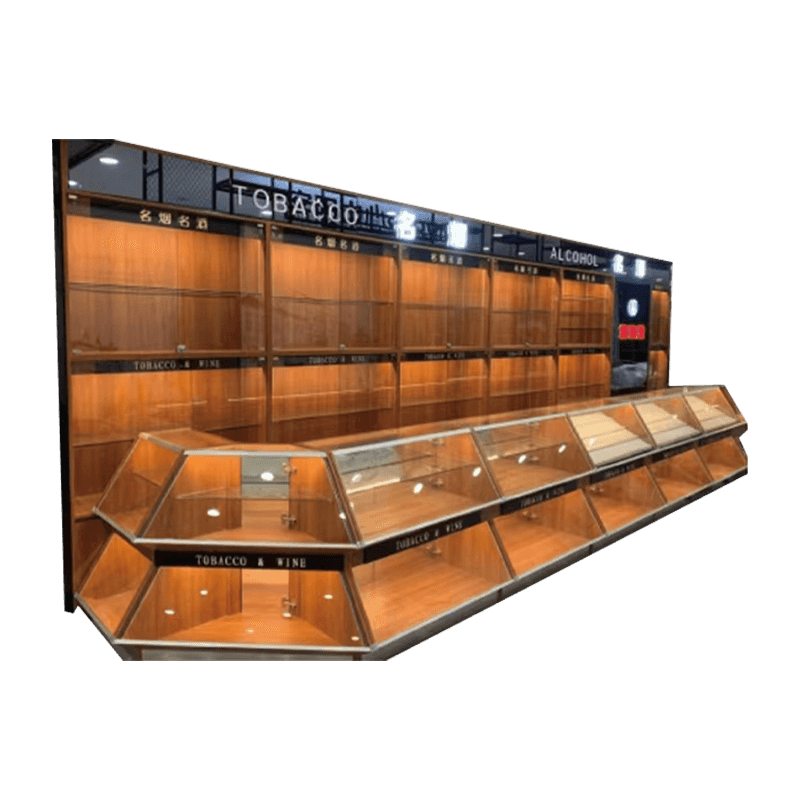
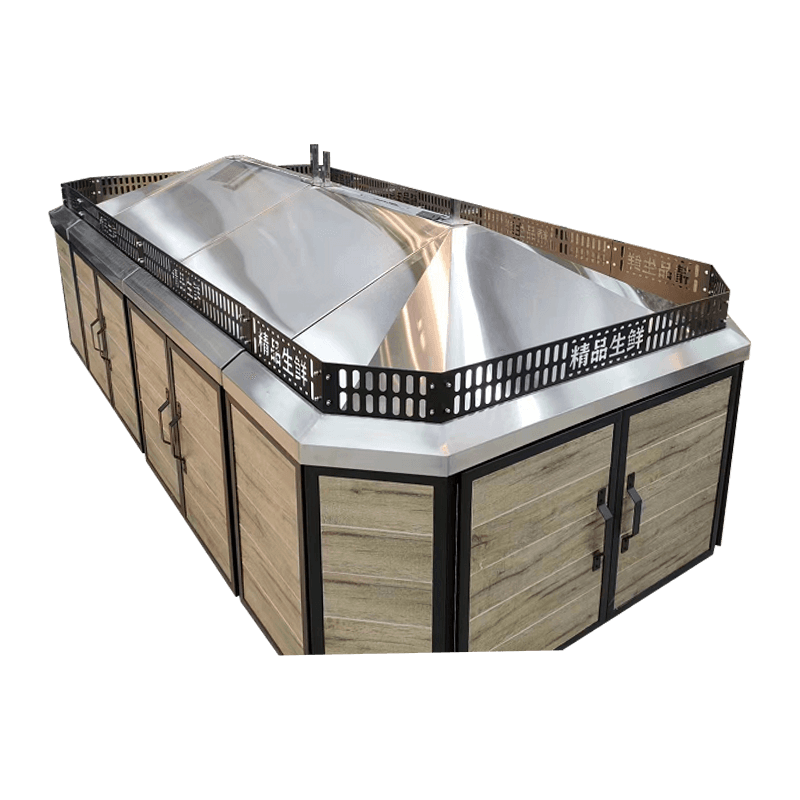 Heavy-Duty Metal and Wood Produce Display RackReinforced steel and eco-wood produce shelving with multi-tier adjustment, heavy-load rating, and anti-rust treatment for humid fresh markets.View Product →
For produce and heavy-load zones, the finish specification should be reviewed together with the rack structure. A heavy-duty frame with a weak edge coat still becomes a maintenance problem in a wet produce aisle.
Prep, film build, and cure: the tolerances worth writing into the PO
A coating quotation can look identical while the process behind it is very different. These are the checkpoints that usually separate a stable finish from a premature failure.
- Cleaning and pretreatment: confirm oil removal, rinse quality, and a phosphate or equivalent conversion coating where specified. For steel, SSPC-SP1 solvent cleaning is a starting point, not a complete pretreatment system.
- Dry-film thickness: for powder coating, 60–90 µm is a common retail-shelf range; liquid systems often sit lower. Thicker is not always better because excessive film can crack at edges.
- Cure: powder coating needs the metal to reach the supplier’s cure window, often around 180–200 °C for a defined time. Under-cure gives poor adhesion and chemical resistance; over-cure can make the film brittle.
- Adhesion and hardness: request crosshatch adhesion and pencil-hardness results on the actual coating system. Typical targets for retail shelving are crosshatch ≤1 and pencil hardness around 2H or better.
- Corrosion testing: for humid or coastal projects, ask for salt-spray hours and the test standard used. Do not accept a generic “anti-rust” claim without the test basis.
Also write down the repair method. A shelf system will be touched up after transport, installation, or a bracket change. If the touch-up paint has a different gloss or cure behavior, the repair becomes more visible than the original damage.
ROI check: price per shelf versus cost per clean shelf
A simple ROI comparison should include first cost, expected touch-up labor, downtime, and the risk of a visible defect in the selling area. The cheapest coating is not automatically the lowest-cost choice.
Basic liquid paint
Lower first cost and easy color adjustment. In wet or heavy-traffic zones, expect shorter touch-up intervals and more careful edge inspection.
Powder coating
Higher setup cost, stronger abrasion and chemical resistance, and better batch consistency. Best when the shelf is visible, repeatedly cleaned, or shipped as part of a chain rollout.
Illustrative example: if a 100-shelf project needs one extra repaint cycle, the direct paint cost may be small, but the labor, store disruption, and color-matching risk can exceed the savings from a lower-grade coating. The exact numbers depend on the store, but the cost pattern is consistent.
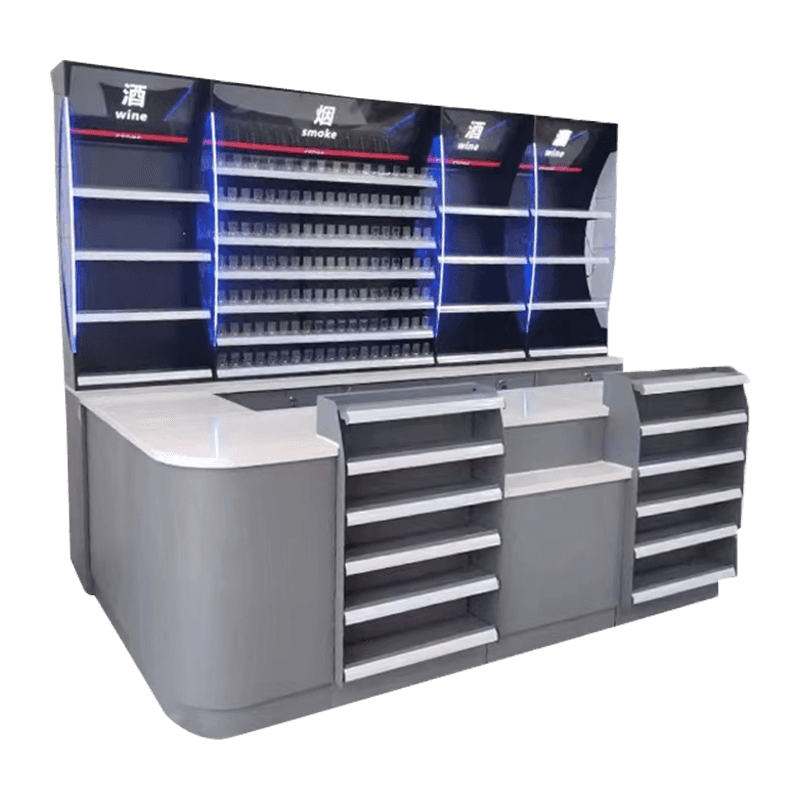
Before releasing a mixed order of checkout counters, display racks, and fresh-produce fixtures, send the finish schedule with the drawings. To discuss a retail shelving coating specification with the factory, contact JUREN SHELF and include the cleaning chemicals, humidity level, and target color standard.
Maintenance and compliance: keep the finish inside its design window
A painted metal shelf is not maintenance-free. It is maintenance-predictable. Use the coating system within the cleaning and loading conditions it was specified for, and inspect the edges before corrosion spreads into the panel.
- Cleaning: avoid concentrated chlorine, strong solvents, and abrasive pads on powder-coated surfaces. Use the supplier’s recommended neutral or mild alkaline cleaner and rinse residue.
- Inspection: check front edges, welded joints, punched holes, and shelf clips monthly in high-traffic stores. Touch up bare steel before rust staining appears.
- Compliance: confirm VOC, RoHS, REACH, or other market-specific requirements with the coating supplier. For food-adjacent retail areas, verify that the selected finish and cleaning regime suit the intended use.
- Documentation: keep the coating supplier, color code, gloss level, dry-film thickness, and cure record with the project file. That record shortens future touch-up and repeat-order approval.
Good painting metal shelves specifications are not the longest documents. They are the ones that tell the factory what the shelf will face, tell the inspector what “acceptable” looks like, and tell the store how to repair a chip before it becomes a repaint.
For retail projects, the coating decision belongs beside the shelf layout, loading plan, and cleaning routine. When those inputs are clear, a powder-coated shelf, a wet-painted accent, and a galvanized backroom frame can coexist without confusion. The finish lasts when the specification matches the real store, not the sample board.