 English
 Español
 русский
 عربى
عربى 中文简体
中文简体
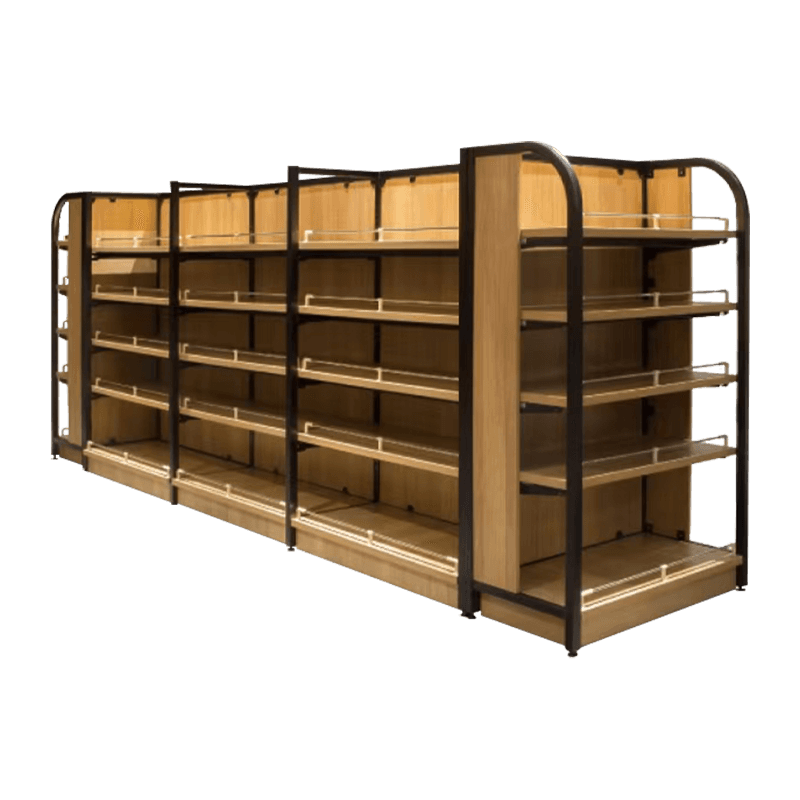
Choosing the right retail display rack for supermarkets is no longer a simple fixtures decision — it directly affects sell-through rate, aisle safety, and merchandising flexibility. Based on procurement data from over 300 supermarket and hypermarket rollouts, this guide breaks down the engineering, cost structure, and selection logic behind modern supermarket display racks, so buyers can specify the right system the first time.
Content
- 1 Key Takeaway
- 2 1. How a Supermarket Display Rack Is Actually Engineered
- 3 2. Retail Display Rack Types: Side-by-Side Data Comparison
- 4 3. The Hidden Metrics Buyers Usually Miss
- 5 4. Where Retail Display Racks Are Actually Deployed
- 6 5. ROI & Selection Workflow for Supermarket Buyers
- 7 6. Maintenance & Compliance Guidelines
- 8 Frequently Asked Questions
- 9 Final Takeaway
Key Takeaway
A properly specified heavy-duty steel retail display rack delivers 18-30% higher shelf-facing efficiency than fixed wooden shelving, cuts restocking labor by roughly 22%, and typically pays back its incremental cost within 14-20 months when deployed across a full store format. The right rack type depends on aisle width, SKU turnover, and load class — not just upfront price.
1. How a Supermarket Display Rack Is Actually Engineered
Every commercial-grade display rack system is built around four load-bearing decisions: upright gauge, beam profile, shelf material, and connector type. Getting any one of these wrong shortens service life or creates a safety liability under continuous restocking cycles.
Upright Frame Gauge
Cold-rolled steel between 1.2mm-2.0mm thickness, formed into a box or C-channel profile to resist twisting under uneven load distribution across peg holes.
Beam & Shelf Profile
Step-beam or box-beam construction with a front lip that prevents products from sliding forward during aisle traffic vibration.
Surface Treatment
Epoxy-polyester powder coating rated for 500+ hour salt-spray resistance, critical for chilled and produce zones with condensation exposure.
Connector System
Tool-free hook-in or cam-lock connectors allow shelf height reconfiguration in under 90 seconds, supporting seasonal planogram changes.
2. Retail Display Rack Types: Side-by-Side Data Comparison
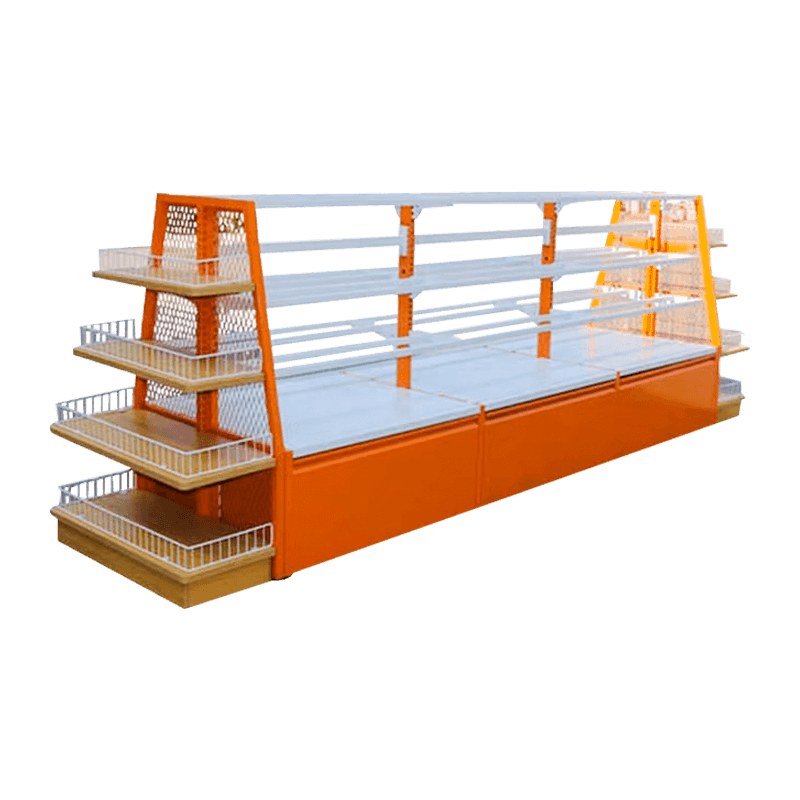
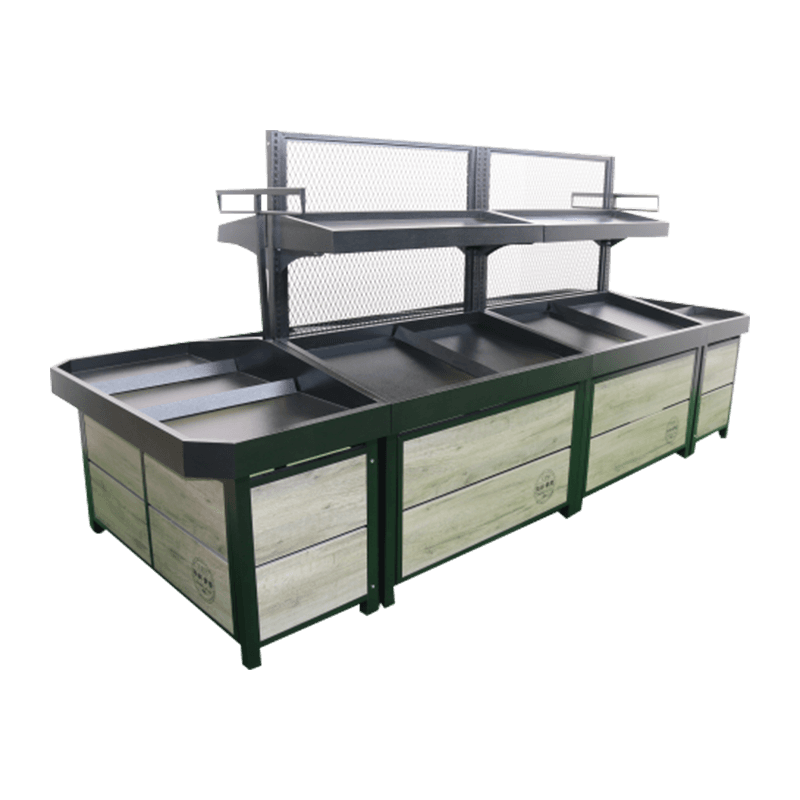
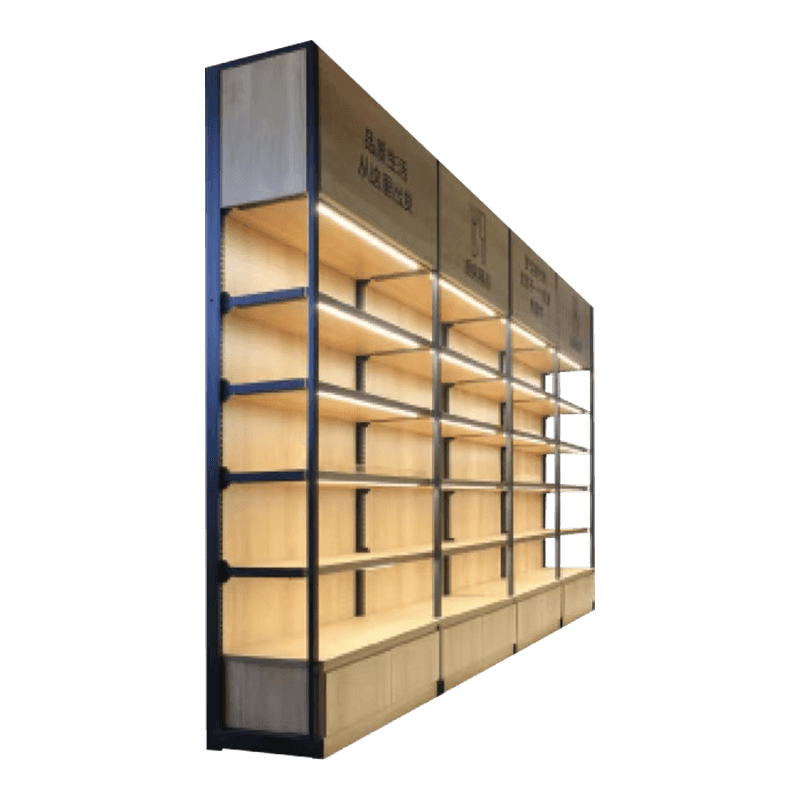
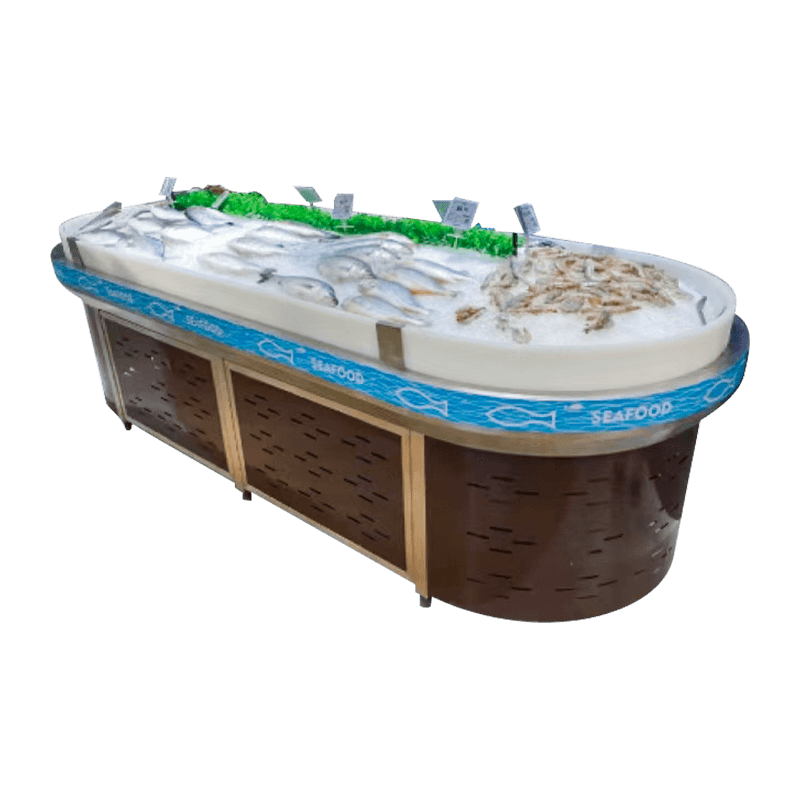
Below is a comparison of the four most common supermarket display rack formats, based on standardized 1,000mm bay testing.
Cost Index normalized to gondola shelving = 100. Data derived from standardized 1,000mm bay load testing across mid-format supermarket deployments.
3. The Hidden Metrics Buyers Usually Miss
Sticker price is the metric buyers see first — but it's rarely the metric that determines total cost of ownership. The chart below indexes four supermarket display rack performance factors on a 0-100 scale, benchmarked against a heavy-duty custom steel rack baseline.
4. Where Retail Display Racks Are Actually Deployed
Understanding demand distribution helps buyers benchmark their own format against comparable procurement volumes. Supermarkets and grocery chains remain the dominant buyer segment for commercial display rack systems.
5. ROI & Selection Workflow for Supermarket Buyers
A structured selection process prevents the two most common procurement mistakes: under-specifying load class, and over-buying reconfigurability that a format doesn't actually need.
Audit SKU Weight Profile
Map your heaviest 20% of SKUs per category to determine required load class — beverages, canned goods, and bulk grains typically drive the specification.
Measure Aisle & Bay Geometry
Confirm bay width, depth, and clearance against local fire-code aisle-width minimums before finalizing rack footprint.
Request Load-Tested Certification
Ask suppliers for third-party load test reports per shelf and per upright bay, not just manufacturer-stated capacity.
Model ROI Over a 5-Year Window
Weigh upfront cost against reconfiguration labor savings and rack lifespan — most buyers reach payback between 14 and 20 months.
6. Maintenance & Compliance Guidelines
A supermarket display rack is a load-bearing safety fixture, not just merchandising furniture, and should be treated accordingly in facility maintenance programs:
- Conduct a visual weld and connector inspection every 90 days, focusing on upright base plates and beam-to-frame joints.
- Verify anti-tip anchoring to the floor slab or wall, particularly for gondola runs exceeding 1.8m in height.
- Re-torque cam-lock and bolted connectors annually, as vibration from foot traffic and restocking gradually loosens fittings.
- Confirm powder-coat integrity in chilled and produce zones, since coating breaches accelerate corrosion under condensation exposure.
- Keep supplier-issued load capacity labels legible and visible on every bay, as required under most regional retail fixture safety codes.
Frequently Asked Questions
+ What load capacity should a supermarket display rack have?
Most grocery aisles need a minimum of 80-120kg per shelf for standard dry goods, rising to 150-180kg for beverage and bulk-liquid zones. Always size to your heaviest 20% of SKUs, not the category average.
+ What's the difference between gondola shelving and a wire display rack?
Gondola shelving uses solid steel shelves for higher load capacity and longer aisle runs, while wire display racks are lighter, cheaper, and better suited to fast-rotating promotional or impulse-buy zones.
+ How long does a commercial retail display rack typically last?
A well-specified heavy-duty steel rack lasts 12-15 years under continuous supermarket use, versus 6-9 years for lighter wire or slatwall systems, depending on coating quality and load discipline.
+ Can display racks be customized for store branding?
Yes. Powder-coat color, header sign panels, shelf dividers, and end-cap modules can all be customized without affecting the load-bearing frame specification.
+ How often should shelf configurations be changed?
Most supermarkets refresh planograms quarterly for seasonal categories, so a tool-free hook-in shelf system that reconfigures in under a minute is preferable to bolted alternatives.
+ Are supermarket display racks required to be load-certified?
Many regions require visible load labels and periodic inspection under retail fixture safety codes. Always request third-party load test documentation from your supplier before installation.
+ What's a realistic ROI timeline for upgrading display racks?
Based on typical labor and shrinkage savings, most stores recover the incremental cost of upgrading to heavy-duty racks within 14-20 months of full-store deployment.
+ Should chilled and produce zones use a different rack material?
Yes. Zones with condensation exposure need epoxy-polyester coating rated for 500+ hour salt-spray resistance, or stainless-finish frames, to prevent premature corrosion.
Final Takeaway
Specifying the right retail display rack for supermarkets comes down to matching load class, reconfiguration frequency, and coating durability to your actual store format — not just comparing sticker prices. Buyers who audit SKU weight profiles and request load-tested certification consistently see faster payback and fewer mid-life fixture failures.
Need a load-tested, custom-coated display rack system engineered for your store format?
Request a Rack Specification Consultation