 English
 Español
 русский
 عربى
عربى 中文简体
中文简体
A yard manager orders a single-sided cantilever rack for 24-foot oak planks. The quote states 2,200 lb per arm pair, so he signs. Three weeks later the arms carry a visible set toward the aisle, and the top level sags every time it is loaded. Nothing was mislabeled. He read one number where the rack actually publishes four.
The short answer: cantilever rack weight capacity is the lowest of four separate ratings — arm capacity, upright (column) capacity, base capacity, and the bay or system total — each measured at a stated load position and a stated deflection limit. The smallest figure governs the bay, no matter how large the others look on the brochure.
Published figures differ between suppliers because each one chooses its own deflection limit, arm spacing grid, and load-position assumptions. Two racks that look identical on the floor can be 30% apart in rated capacity and both be honest. That is why the load chart matters more than the headline number.
Content
- 1 Four Ratings Behind Every Capacity Number
- 2 Arm, Upright, Base, and System Ratings Compared
- 3 Hidden Factors That Quietly Cut Real Capacity
- 4 Where Cantilever Racks Are Used, and What Capacity Each Application Needs
- 5 How to Specify Capacity Without Overpaying
- 6 Inspection, Maintenance, and Compliance
- 7 What to Verify When You Source Steel Racks and Fixtures
Four Ratings Behind Every Capacity Number
A cantilever load chart is a table of limits, not a single specification. Before you compare quotes, know which limit you are reading.
Arm capacity
Rated per arm or per arm pair, commonly 500–3,000 lb. It drops as the arm gets longer: a 48-inch arm rated at 1,500 lb may fall below 900 lb at 72 inches. The rating assumes the load is spread along the arm and the arm stays inside its deflection limit.
Upright capacity
The column carries every arm above it. A 20-foot upright may be rated 10,000–40,000 lb depending on height, bracing pattern, single- or double-sided configuration, and how far apart the arm levels sit.
Base capacity
The base resists overturning. Its limit comes from base length, bolt count and diameter, and the slab itself: a 4-inch unreinforced slab pulls out long before a 6-inch reinforced one, even with the same rack.
Bay or system capacity
This is the total the complete bay can hold, set by the weakest element. It is the number worth comparing between suppliers, because it already accounts for arm spacing, upright height and base design together.
Why deflection sets the number, not steel strength
Steel racking rarely breaks in service — it sags first. Design limits such as L/180 for beams and L/240 for columns keep loads level and forklift clearances intact. An arm loaded anywhere near yield would already be unusable for handling product, so the published capacity is the load that keeps the arm within its deflection limit, typically 1/180 of arm length. Steel grade raises that limit, but it is deflection, not fracture, that you meet first.
Arm, Upright, Base, and System Ratings Compared
Ranges are typical published values for selective cantilever racks; always work from the load chart issued for the exact bay you purchase, and confirm whether a rating is per arm, per arm pair, or per side.
Hidden Factors That Quietly Cut Real Capacity
Load charts assume ideal conditions: uniform loads, chart-standard arm spacing, an anchored base, and an undamaged structure. Real yards rarely match all four.
The first bar explains most bent arms. A uniform load spread along a 48-inch arm creates roughly half the bending moment of the same weight placed as a point load at the tip, so a 1,000 lb bundle of pipe loaded at the heel behaves very differently from the same bundle pushed out to the end. Forklift operators who "walk" loads outward are the most common cause of arm deflection complaints. Figures are illustrative; confirm against the supplier chart and, for critical installations, a qualified engineer.
Where Cantilever Racks Are Used, and What Capacity Each Application Needs
- Lumber and building materials — 38%
- Pipe, tube, and metal stock — 24%
- Furniture and panel products — 16%
- Retail display and store fixtures — 12%
- Plastics, molds, and long tooling — 10%
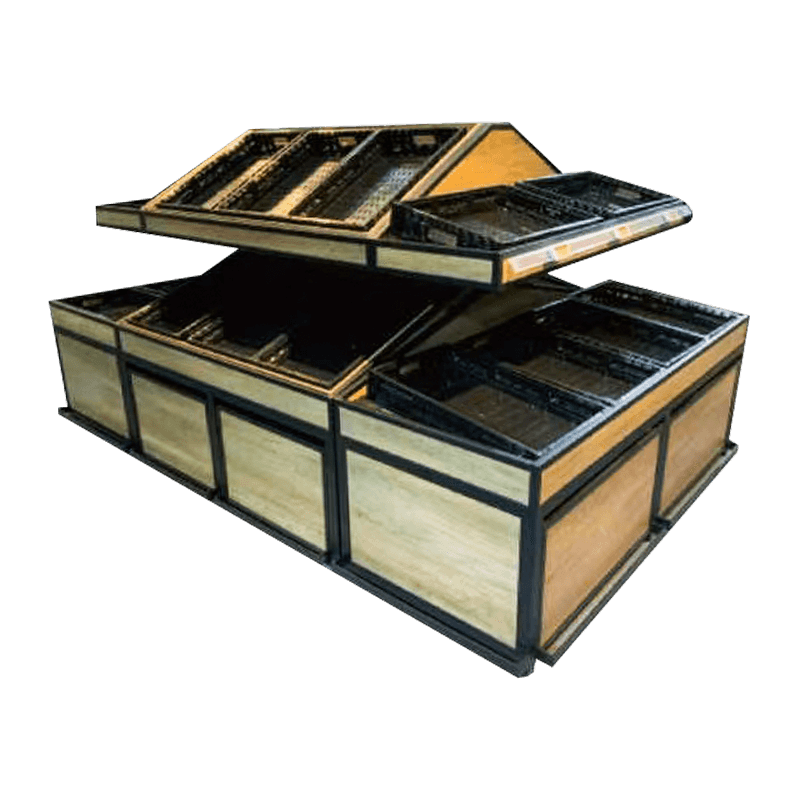
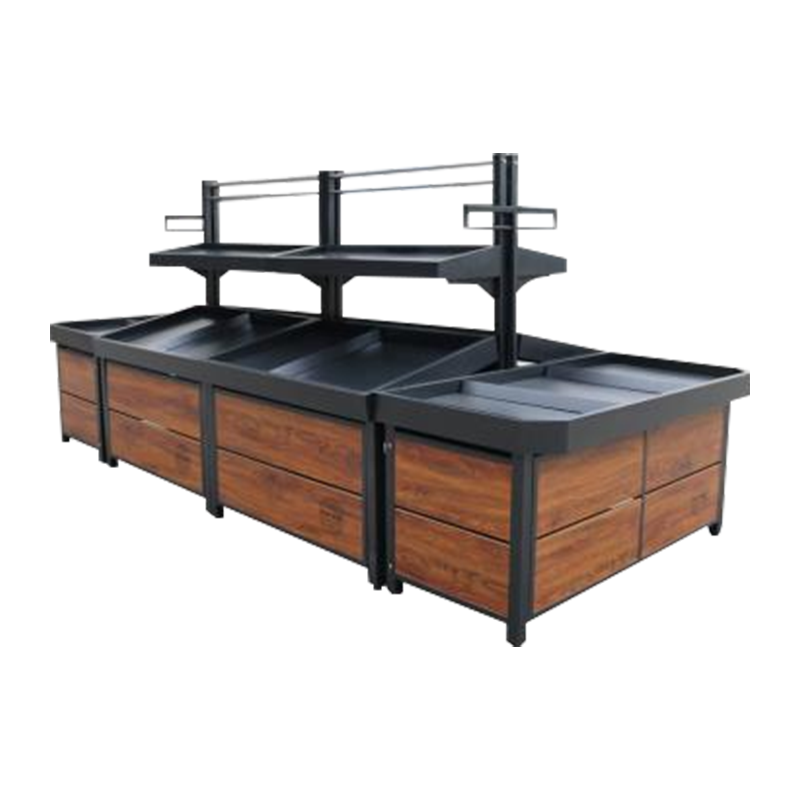
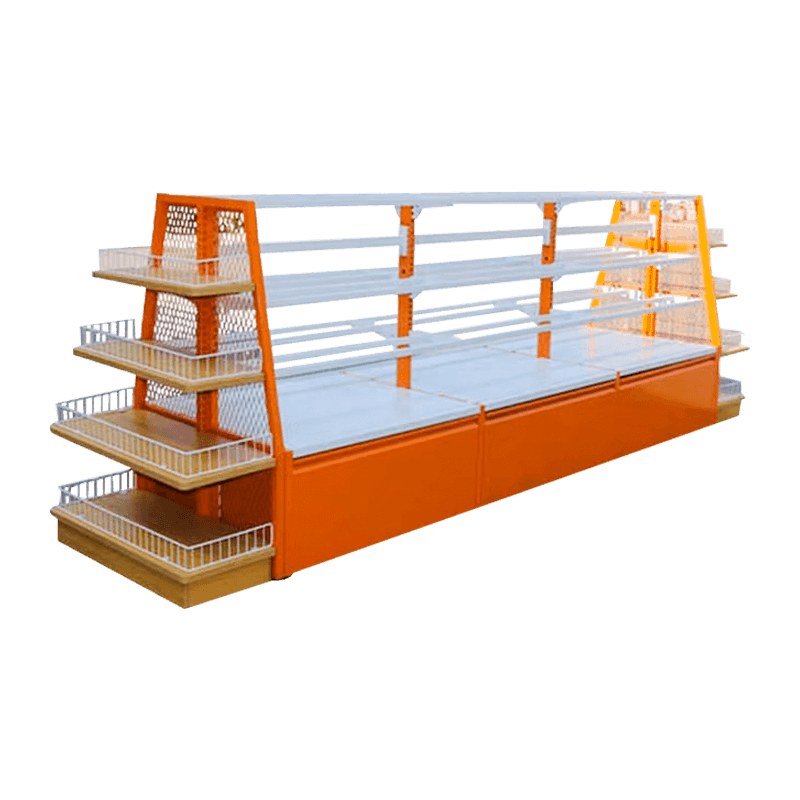
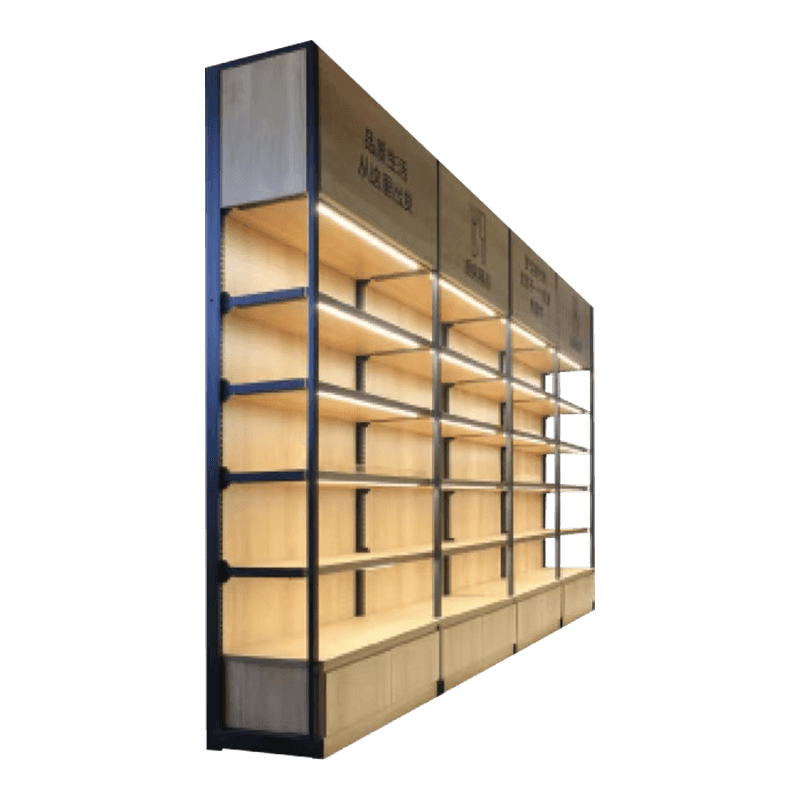
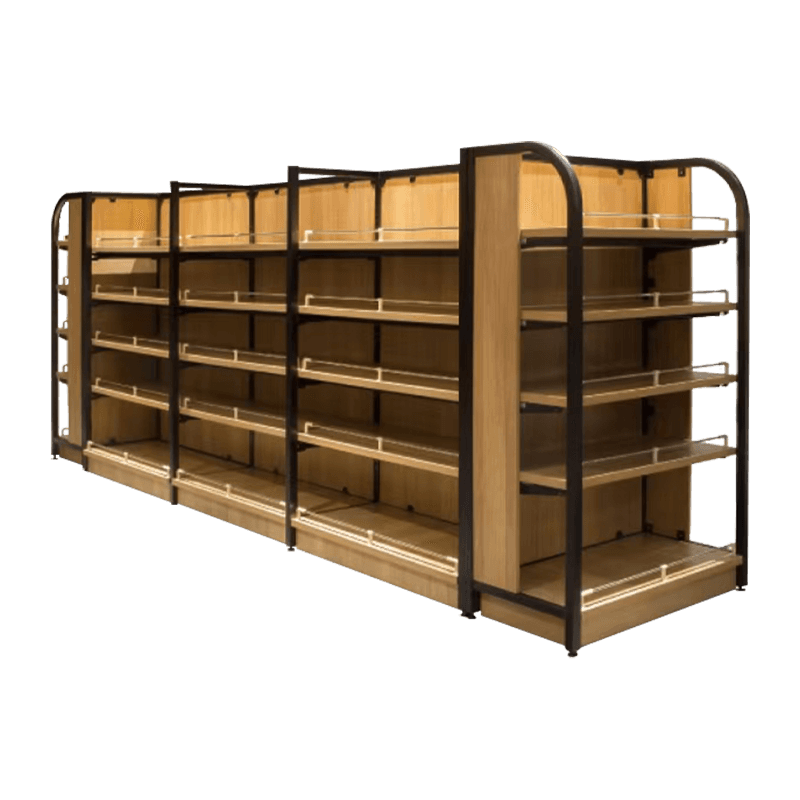
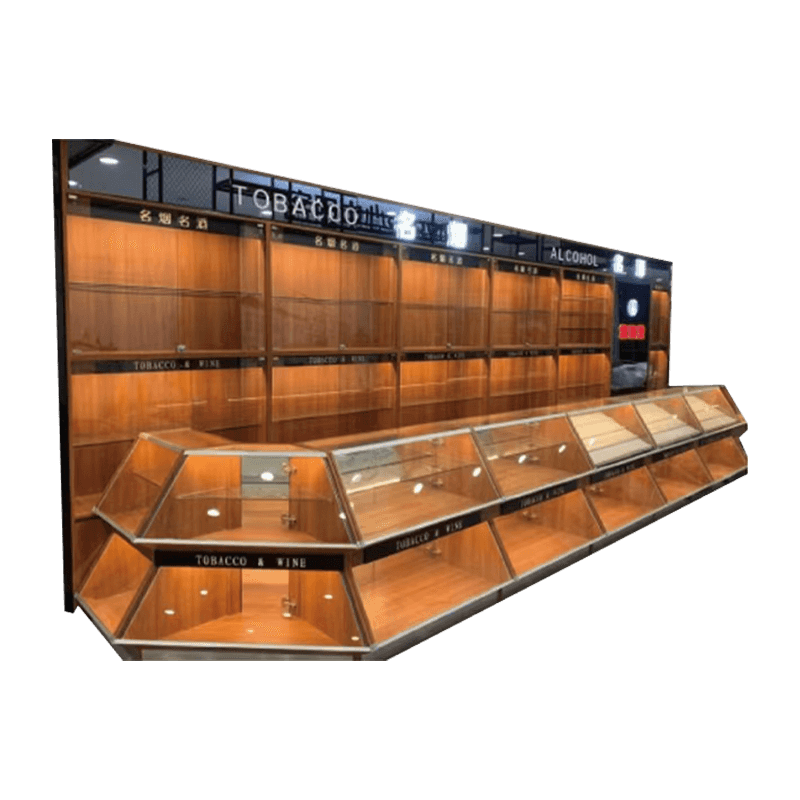
Lumber and panel yards run the heaviest duty: wide arm spacing, 48- to 72-inch arms, and high per-arm capacity because a single bundle can exceed 2,000 lb. Pipe and metal stock yards need dense arm grids and closer upright spacing, since many different diameters are stored at once. The retail and fixture slice is lighter — often 300–800 lb per arm — but the finish matters more than the steel grade, because the rack is visible to shoppers and may sit inside a conditioned sales floor. That slice behaves less like warehouse storage and more like a display fixture, which is why retail equipment manufacturers that already build steel display racks and produce shelving can usually supply it without retooling.
How to Specify Capacity Without Overpaying
- Weigh a realistic full bay, not an average pallet. Multiply the heaviest item by the number you actually place on one level, then add 10% for moisture and packaging.
- Match arm length to load length. Allow roughly 6 inches of overhang past the arm tip at each end, so long goods cannot tip off a short support.
- Request the load chart for the exact bay, and confirm whether figures are per arm, per pair, or per side.
- Check the floor: slab thickness, reinforcement, anchor type, and whether the base is long enough for the overturning moment your loads create.
- Compare quotes on delivered capacity per dollar, not on rack length. Two bays with the same footprint can differ 20–30% in rated capacity.
- Confirm the seismic assumption. In a seismic zone the chart capacity is often derated unless bracing and anchoring are upgraded.
On cost, the arithmetic is simple. Moving up one arm gauge or one base size typically adds 10–15% to the bay price. Under-specifying gives that back and more in the first year: deflected arms, blocked aisles, a bay out of service for repair, and damaged product. In practice, buyers who plan to run at roughly 60% of the rated capacity of the weakest component — never above it — tend to be the ones who never need a repair crew.
Inspection, Maintenance, and Compliance
- Design and load racks to a recognised standard such as ANSI MH16.1 (RMI), and keep the capacity plaque legible on the upright.
- Under OSHA 1910.176(b), storage must not create a hazard — rack capacity is part of that duty of care, not a separate topic.
- Inspect quarterly for permanent arm set, bent arms, cracked welds, loose base plates, and corrosion at the anchor line.
- Replace damaged arms. Never heat-straighten or field-weld a bent arm back into service, because the repair removes the material properties the rating was based on.
- Re-check base anchors after any nearby slab cutting or floor repair, and re-torque annually to the specified value.
- Train operators to set loads at the heel of the arm and never to push a load along the arms with the forks.
Keep the inspection record with the bay's load chart. When you later add a level, change arm spacing, or store a heavier product line, that file is what tells you whether the capacity you are running is still the capacity you bought.
What to Verify When You Source Steel Racks and Fixtures
Capacity claims are only as reliable as the factory behind them. A short verification list prevents most surprises:
- Material grade certificates for columns and arms, not just a generic "high-strength steel" statement.
- Weld procedure and in-process inspection, since arm-to-heel and base welds carry the load path.
- Powder coating thickness, typically 60–80 microns for damp or outdoor-adjacent storage.
- A load chart issued per configuration, plus packing and container-loading photos before shipment.
- Whether storage and display fixtures are built in-house, which shortens lead time on custom arm lengths and heavier uprights.
Manufacturers that already fabricate steel display and storage fixtures — steel-and-wood display racks, produce racks, checkout surrounds — share the same press brakes, welding jigs, and coating lines. For them, a custom cantilever arm or a heavier-duty upright is a variation on existing production rather than a new process, which usually shows up as a shorter lead time and a more useful load chart.
The number on the quote is a starting point, not the capacity. Confirm the four ratings, the deflection limit behind them, and the load position the chart assumes — then hold operators to those assumptions on the floor. Do that, and you will know what the rack holds before the first bundle goes up, instead of finding out when the arms start to bend.