 English
 Español
 русский
 عربى
عربى 中文简体
中文简体
Content
- 1 The Strategic Role of Commercial Display Racks in Retail Environments
- 2 Material Selection and Structural Integrity
- 3 Configuring Displays for Maximum Sell-Through
- 4 Load Capacity and Safety Compliance
- 5 Customization and Modularity for Evolving Merchandising Needs
- 6 Lighting Integration and Visual Merchandising
The Strategic Role of Commercial Display Racks in Retail Environments
Commercial display racks are far more than utilitarian shelves. They are silent salespeople that shape customer flow, communicate brand positioning, and directly influence purchase decisions. A well-chosen display rack places merchandise at the optimal viewing height, tells a curated product story, and removes friction from the buying process. In grocery aisles, gravity-feed racks ensure first-in-first-out rotation for perishable goods. In fashion boutiques, face-out waterfall racks maximize the visual impact of apparel. In hardware stores, heavy-duty cantilever racks safely present long, awkward items like lumber and pipe. The common thread is intentionality. Every hook, shelf, and sign holder on a commercial display rack should serve a defined merchandising purpose, not merely hold inventory. Selecting the correct rack type, material, and configuration requires a clear-eyed assessment of product weight, available floor space, customer traffic patterns, and brand aesthetic.
Material Selection and Structural Integrity
The material of a commercial display rack determines its load capacity, longevity, and visual character. Choosing the wrong material for the environment leads to premature failure, sagging shelves, or a finish that dulls and chips within months. The three primary materials used in high-quality rack construction are steel, aluminum, and wood composites, each serving distinct commercial applications.
Steel for Heavy-Duty and High-Traffic Environments
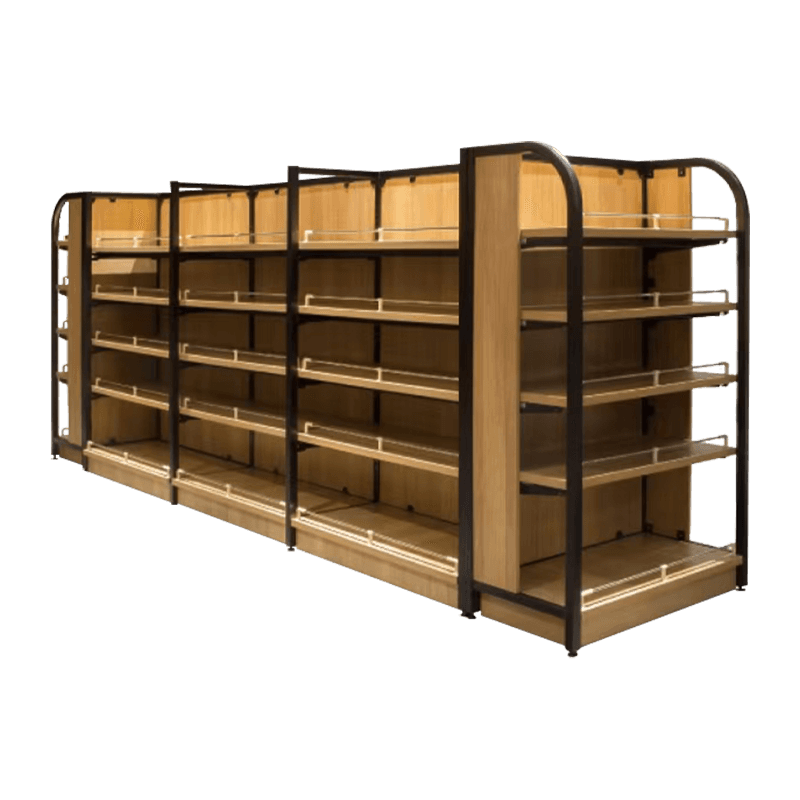
Steel is the workhorse of commercial display racks. Powder-coated steel offers exceptional load-bearing capacity and resists the scuffs and impacts common in high-turnover retail and industrial settings. Wire grid and wire shelving systems, fabricated from welded steel rods, support substantial weight while allowing light penetration and airflow. This makes them ideal for produce displays, bakery racks, and backroom storage. Gondola shelving, the upright double-sided units with perforated back panels, forms the backbone of convenience stores and pharmacies. These steel systems support hundreds of kilograms per bay and accept a vast ecosystem of hooks, brackets, and sign holders. The powder-coat finish should be specified as a minimum of 60 microns thick to resist scratching through to the bare metal, particularly in high-contact areas like checkout counters.
Aluminum for Portability and Corrosion Resistance
Extruded aluminum display racks offer a premium, lightweight alternative to steel. The material weighs roughly one-third as much as steel, making it the standard choice for portable trade show displays, pop-up shop fixtures, and retail environments where the floor layout changes frequently. Aluminum will not rust, a critical advantage in refrigerated displays, outdoor market stalls, and spa or poolside retail settings. The anodized finish provides a clean, modern aesthetic that complements high-end cosmetics, electronics, and boutique apparel. The limitation of aluminum is its lower modulus of elasticity, meaning an aluminum shelf will deflect more than a steel shelf of the same dimensions under an identical load. Cross-bracing, thicker gauge profiles, and engineered ribbing compensate for this characteristic.
Wood and Composite Materials for Warmth and Branding
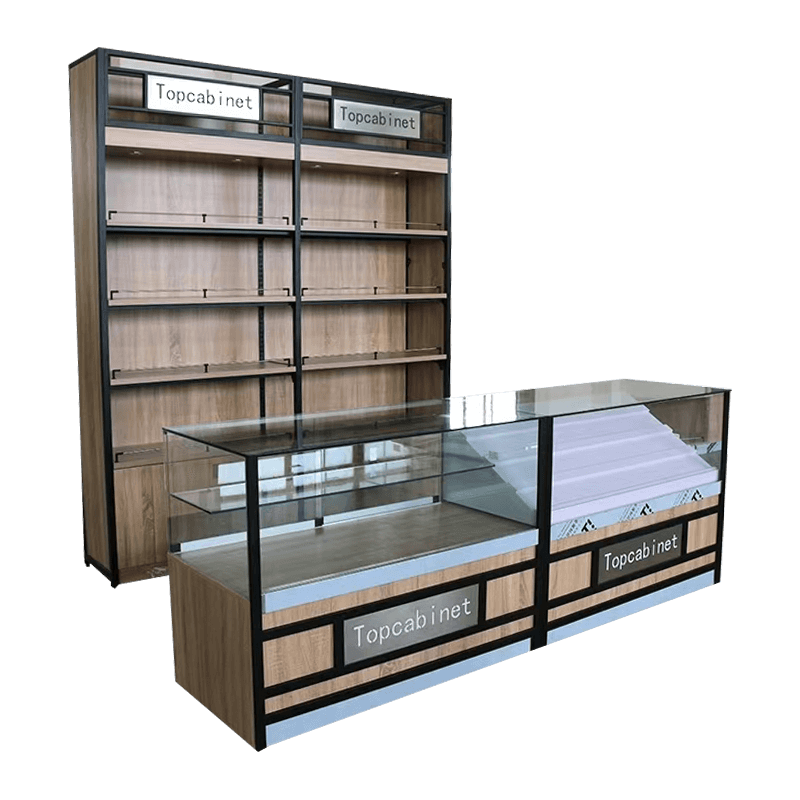
Solid wood, plywood, and medium-density fiberboard with laminate finishes bring warmth and texture that metal alone cannot achieve. A slatwall panel system, typically manufactured from engineered wood with horizontal grooves, accepts specialized inserts that hold shelves, hangrails, and baskets. Slatwall is a versatile merchandising surface commonly found in apparel stores, gift shops, and winery tasting rooms. Glass and acrylic display racks serve high-value merchandise such as jewelry, watches, and collectibles. The transparency eliminates visual barriers between the customer and the product while providing physical security. Locking vitrine cabinets with tempered glass shelves and integrated LED lighting transform a simple rack into a presentation-grade display that signals luxury and requires engagement from a sales associate.
Configuring Displays for Maximum Sell-Through
The physical placement of product on commercial display racks directly correlates with sales velocity. Eye-level is buy-level, a retail axiom confirmed by decades of shopper behavior research. Products placed between 120 and 150 centimeters above the floor consistently outsell the same products placed on bottom shelves. The shelf directly below eye-level, often called the reach zone, is the second most valuable real estate. Higher-margin items and new arrivals should occupy these premium positions. Bottom shelves should hold bulky, heavy, or commodity items that shoppers will specifically seek out. End-cap displays, the racks positioned at the ends of aisles, command a significant sales premium because they interrupt the shopper's scanning pattern and naturally capture peripheral vision. Rotating the merchandise on end-cap racks every two to three weeks maintains a sense of newness and drives repeat traffic down the aisle.
Load Capacity and Safety Compliance
Every commercial display rack carries a manufacturer-specified load rating that must be respected without exception. Overloading a rack creates a tipping hazard and exposes the business to serious liability. The load rating is typically expressed as kilograms per shelf and kilograms per bay. A standard 1.2-meter gondola bay might support 300 kilograms total, but only 70 kilograms on an individual shelf. Heavier items must be placed at the bottom of the unit to lower the center of gravity. In seismic zones, racks must be bolted to the floor or braced to the building structure. A floor-mounted base with a footprint that extends beyond the shelf depth is a simple and effective anti-tip measure. For mobile racks on casters, at least two of the four wheels should be locking, and the loaded rack should be tested for stability on the specific floor surface where it will operate. A slight floor gradient or uneven tile can cause a top-heavy rolling rack to topple.
Customization and Modularity for Evolving Merchandising Needs
Retail floor plans are rarely permanent. Seasonal product shifts, promotional events, and category resets demand display racks that adapt quickly without requiring new capital expenditure. Modular systems built around a common upright standard allow shelf heights to be changed in seconds. The uprights are punched with slots or holes on a precise vertical pitch, typically 25 millimeters or 1 inch, and the shelf brackets hook into these slots without tools. Investing in a modular architecture means a rack that displays winter coats in January can be reconfigured to display swimwear in June. Crossbar systems with snap-on face-out arms, waterfall hooks, and straight hangrails extend this flexibility into hanging merchandise. Accessories such as shelf dividers, pusher trays, and data strip channels further refine the presentation. A pusher tray system automatically advances product forward as the front item is removed, keeping the shelf face fully stocked and neatly organized. This spring-loaded mechanism significantly increases the number of facings presented to the customer and has been shown to boost category sales measurably in packaged goods retail.
Lighting Integration and Visual Merchandising
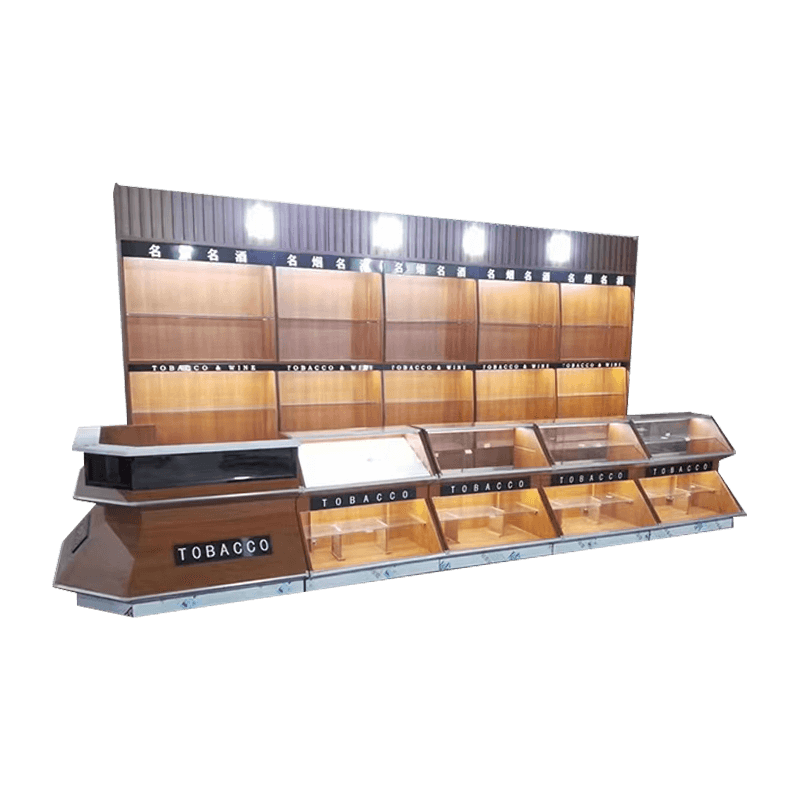
Integrated lighting transforms a standard commercial display rack into a focal point. LED strip lighting mounted to the underside of each shelf casts a pool of light directly onto the merchandise below, eliminating shadows and revealing color and texture accurately. The color temperature of the light must match the product category. Warm white light around 3000 Kelvin flatters baked goods, artisan foods, and natural wood finishes. Cool white light at 4000 Kelvin provides accurate color rendering for cosmetics, electronics, and textiles where color matching is important. The LED drivers and wiring must be concealed within the rack structure and routed to avoid pinching when shelves are adjusted. Battery-powered, rechargeable LED pucks eliminate the need for power drops at every rack location, offering a retrofittable solution for retailers who lease their space or reconfigure their floor plan frequently. Illuminated signage integrated into the top header of a display rack adds another communication layer, allowing the brand to reinforce a category name, promotional message, or price point at the point of decision.