 English
 Español
 русский
 عربى
عربى 中文简体
中文简体
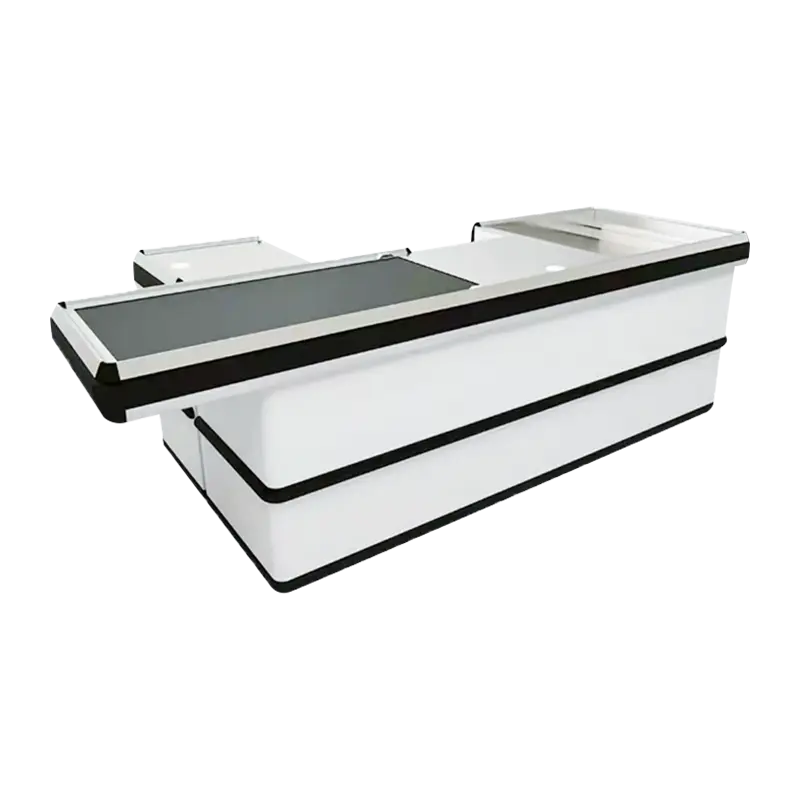
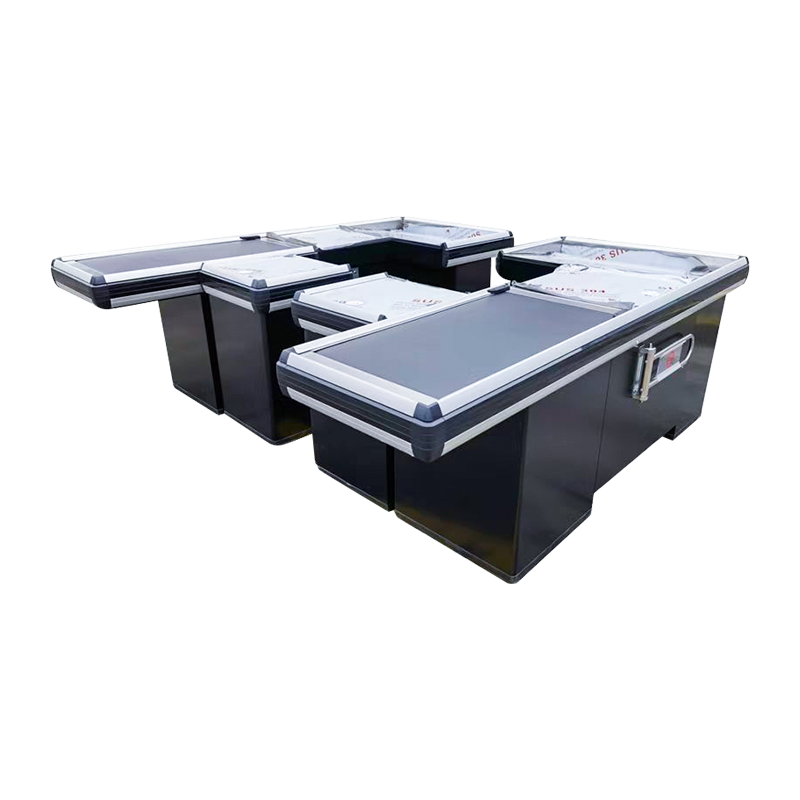
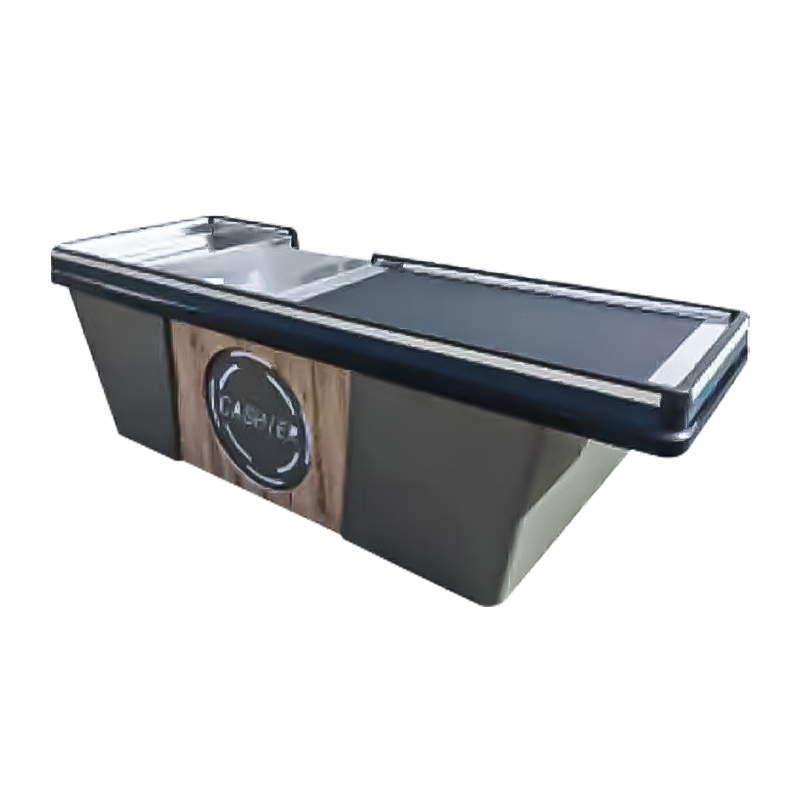
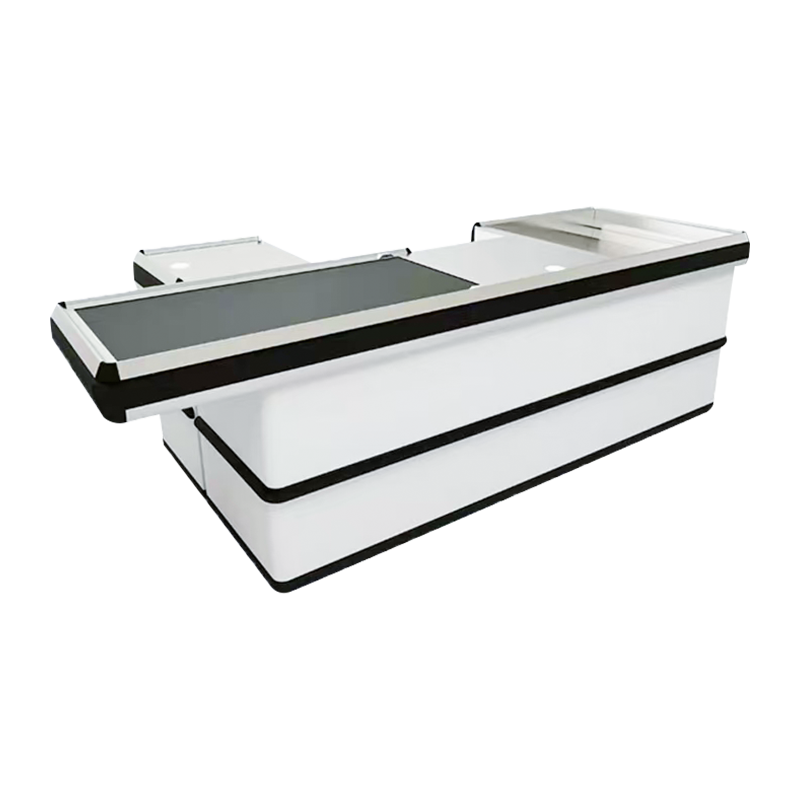
A properly configured belt conveyor checkout counter directly increases transaction speed, reduces labor costs, and improves customer flow. In a high-volume grocery setting, switching from a static counter to an optimized automated belt system typically reduces average transaction time by 15 to 25 seconds per customer. This gain comes from the ergonomic elimination of manual item stretching and the seamless integration of automated barcode scanning zones.
Content
Optimal Ergonomic Counter Heights and Belt Widths
The physical dimensions of the checkout stand determine cashier fatigue and scanning accuracy. A counter that is too high forces shoulder abduction, while a surface too wide forces overreaching.
| Counter Zone | Ideal Measurement | Ergonomic Rationale |
|---|---|---|
| Work Surface Height | 34 to 36 inches | Fits 5th percentile female to 95th percentile male, preventing carpal tunnel strain. |
| Infeed Belt Width | 18 to 24 inches | Wide enough for bulk items but narrow enough to keep items within a 17-inch reach zone. |
A common layout error is placing the bagging well at a 90-degree angle. A side-reach bagging design, positioned parallel to the scanner, cuts bagging time by 22% compared to a rear carousel design because the cashier uses lateral arm movement rather than full torso rotation.
Belt Material and Surface Selection
The conveyor belt material impacts grip, noise, and contamination resistance. The wrong surface leads to item slippage on inclines or excessive drag on the motor.
Material Properties for Retail Checkout
- Smooth Black PVC: The industry standard for general merchandise. It has a low coefficient of friction against cardboard but tends to show scratches and dust quickly.
- Rough-Top PVC: Features a textured surface ideal for inclined belts where items might roll back. Essential for checkout counters with an upward ramp from the infeed to the scan window.
- Food-Grade Polyurethane (PU): Required in supermarket wet sections (meat, deli). PU resists animal fats and oils, which would swell and crack standard PVC belts within six months of continuous use.
Motion Control and Item Accumulation Logic
The efficiency of a belt conveyor checkout counter is not just about raw motor speed; it hinges on accumulation logic. Modern counters use a photo-eye control system. When a customer places an item on the infeed belt, a sensor triggers the motor to advance items until the leading item blocks the "scan zone" eye.
A crucial metric here is the **gap distance**. Without automated accumulation, items stack tightly and confuse barcode readers. A zero-pressure accumulation system maintains a minimum gap of 4 to 6 inches between merchandise. This forces separation, allowing the omnidirectional scanner a clear window to capture the Universal Product Code without manual separation by the cashier. Systems lacking this feature can drop scanning throughput from 25 items per minute down to 15.
Integrating the POS Scale and Security Weighing
In grocery applications, the checkout counter must embed a legal-for-trade scale within the belt gap. The scale plate usually sits directly past the scan window. This is where the weight verification against the database occurs to prevent sweethearting (non-scanning of items).
A critical maintenance point is the alignment between the scale plate and the conveyor bed. If the gap exceeds 3 millimeters, a small produce item can wedge and tear, causing a jam that requires clearing the transaction log. High-end counters mitigate this with a dynamic weigh bridge that calibrates itself every 60 seconds to compensate for debris buildup on the load cells.
Right-Handed vs. Left-Handed Checkout Configurations
Customer flow psychology dictates that the scanning module should be positioned on the same side as the store's entry path so that the shopper instinctively passes the cart to the correct unloading zone. A standard front-facing checkout counter is 37 inches deep. However, when space is at a premium, a narrow-belt counter with a 14-inch belt can reclaim aisle space without sacrificing scanning speed, provided the cashier is equipped with a 360-degree bi-optic scanner turret that reads items from the top and bottom simultaneously. This setup decreases manual wrist rotation by 40% compared to a single-plane scanner setup attached to a wider belt.