 English
 Español
 русский
 عربى
عربى 中文简体
中文简体
In a vegetable shop, maximizing space utilization is essential for both displaying fresh produce and maintaining a clean, organized environment. Vegetable shop racks serve as the backbone for product organization, ensuring that vegetables are visible, accessible, and in optimal condition. This article explores the key design features that vegetable shop racks should incorporate to enhance space efficiency while maintaining product quality and customer satisfaction.
Content
Modular and Adjustable Racking Systems
One of the most important design features for vegetable shop racks is flexibility. Modular and adjustable racking systems provide retailers with the ability to customize the display layout based on available space, product variety, and seasonal needs. The modular design ensures that racks can be rearranged as required, making it easier to adjust to changes in inventory or store layout without additional investment.
Adaptability for Different Vegetables
Vegetables come in a variety of shapes, sizes, and packaging, which means the racks need to accommodate different types of produce. Adjustable shelves and compartments allow shop owners to modify the rack's structure to suit specific vegetable categories, from leafy greens to root vegetables. This adaptability helps in optimizing space without compromising on product visibility and access.
Multi-Level Shelving
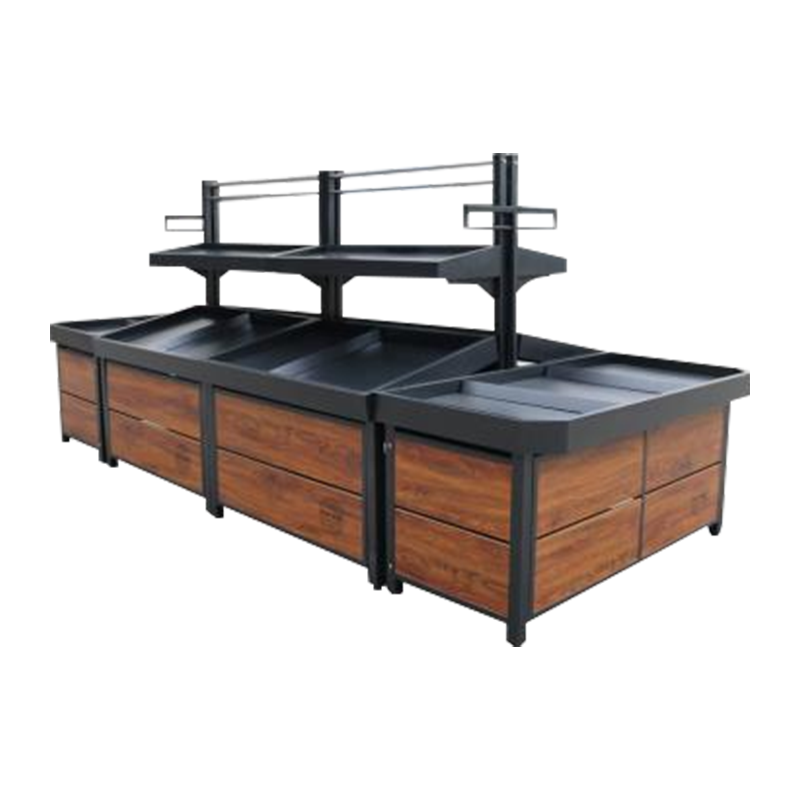
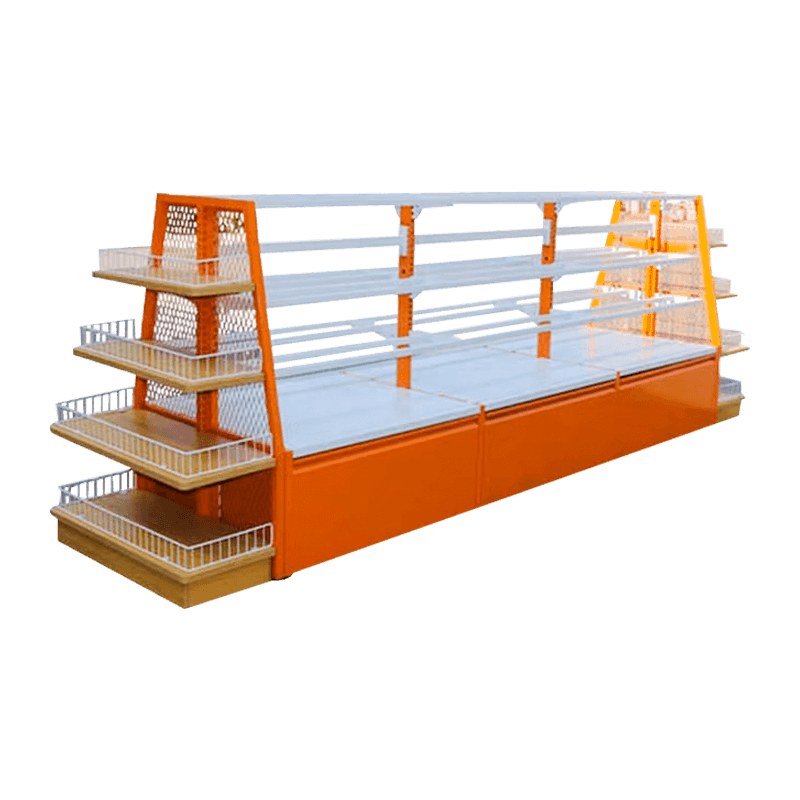
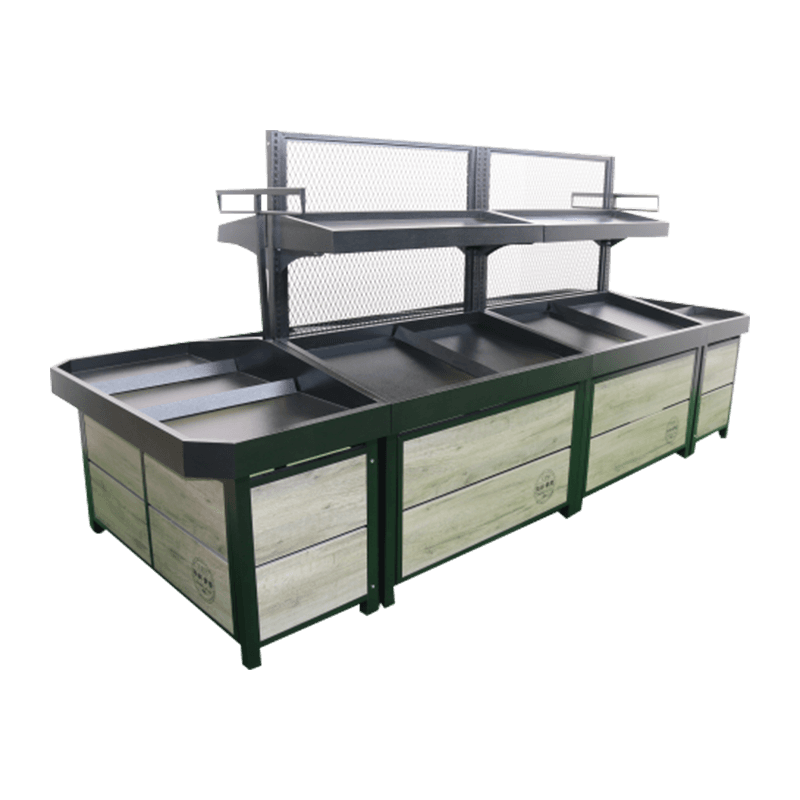
Multi-level shelving is a key feature that helps maximize vertical space in a vegetable shop. By utilizing the full height of the store, retailers can create tiered displays that allow different types of vegetables to be organized in a way that encourages customers to engage with the products. This not only improves space utilization but also makes the store look more organized and appealing.
Efficient Product Display and Access
While space optimization is crucial, the accessibility and visibility of the vegetables are equally important. The design of the racks should ensure that products are displayed in an easy-to-reach manner, allowing customers to pick items without difficulty while also preventing product damage.
Open Fronts for Easy Access
Racks with open fronts allow customers to easily access products without the need to open doors or drawers. This feature not only facilitates smooth shopping but also improves the customer experience, as products are visible from the front and customers can quickly select the items they want. Additionally, it encourages impulse purchases by allowing easy visibility of fresh, colorful vegetables.
Slanted Shelves for Better Visibility
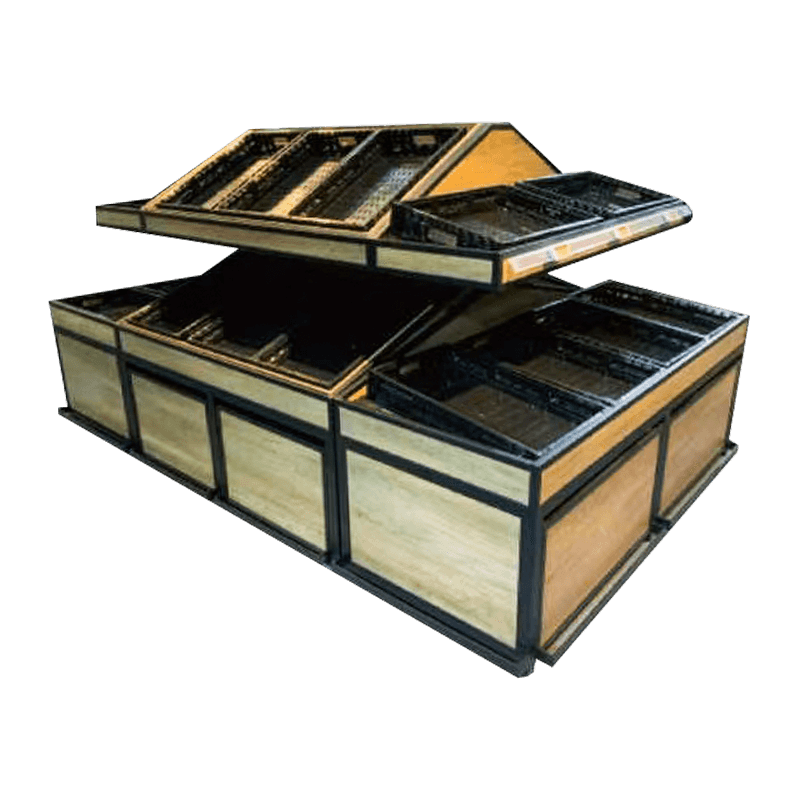
Slanted shelves are an effective feature in vegetable shop racks, particularly when dealing with items that need to be visible from a higher angle, such as leafy greens or smaller vegetables like cherry tomatoes. The slanted design ensures that products are presented at an optimal viewing angle, making it easier for customers to see everything on display and grab items quickly.
Materials and Durability
The materials used in vegetable shop racks play a significant role in their durability, ease of maintenance, and overall aesthetic. Racks should be made from materials that can withstand frequent handling, exposure to moisture, and temperature fluctuations common in produce sections.
Rust-Resistant Materials
Since vegetable shops often have humid environments due to water misting or condensation from refrigeration, choosing rust-resistant materials is crucial. Stainless steel, powder-coated metal, and high-quality plastic are excellent materials for racks, as they are resistant to rust and corrosion, ensuring longevity and reducing the need for frequent replacements.
Easy-to-Clean Surfaces
Vegetable racks should be easy to clean to maintain hygiene standards and prevent contamination of the produce. Smooth, non-porous surfaces are ideal as they can be wiped down with minimal effort. Racks that are easy to clean not only contribute to a cleaner store environment but also promote food safety, especially in an area where fresh produce is handled regularly.
Space Efficiency and Organization
Beyond physical features, the overall layout and space efficiency of a vegetable rack are critical in ensuring that vegetables are well-organized while making the best use of limited store space.
Compact and Stackable Designs
Compact, stackable designs are an excellent feature for vegetable shop racks, especially in stores with limited space. These racks can be arranged in a modular fashion, allowing the retailer to stack additional units on top of one another or arrange them side by side for maximum space usage. This approach ensures that vegetables are organized in a way that’s both efficient and accessible.
Clever Use of Corner and Wall Space
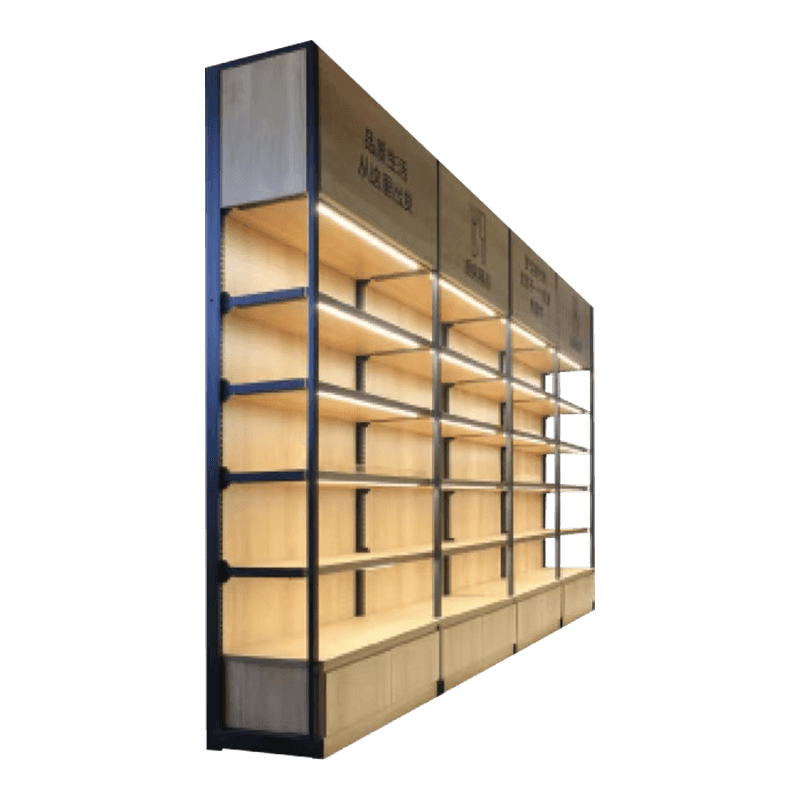
Utilizing corner and wall space is often overlooked in many retail environments. Vegetable racks designed for corners or mounted against walls can help maximize space without cluttering the main aisles. These racks can feature angled shelves or tiered designs that make the best use of otherwise underutilized areas of the store.
Sustainability Considerations
As environmental concerns continue to rise, many vegetable shop owners are seeking sustainable options for their store fittings. Vegetable racks are no exception and can be designed with sustainability in mind, helping businesses minimize their environmental footprint.
Eco-Friendly Materials
Using eco-friendly materials such as bamboo, recycled plastic, or sustainably sourced wood can help reduce the carbon footprint of the store. These materials not only contribute to sustainability but also add a natural, rustic look to the vegetable shop, which can attract environmentally conscious customers.
Energy-Efficient Features
Incorporating energy-efficient features, such as LED lighting or energy-saving refrigeration systems, into vegetable racks can help reduce energy consumption in the store. LED lights, for example, can illuminate vegetables without adding excessive heat, while energy-efficient refrigeration ensures that perishable produce remains fresh without increasing the store's energy usage.
Conclusion
To optimize space and ensure that vegetables are displayed in an efficient, accessible, and visually appealing manner, the design of vegetable shop racks must prioritize flexibility, visibility, durability, and sustainability. Features like adjustable shelving, slanted displays, modular designs, and eco-friendly materials can all contribute to a more organized, efficient, and attractive store layout. As retailers look for ways to enhance their customers' shopping experience, investing in well-designed vegetable racks that maximize space utilization will be a key factor in driving sales and improving store operations.