 English
 Español
 русский
 عربى
عربى 中文简体
中文简体
Content
- 1 What Actually Defines a "Series Rig" in Commercial Display Racking
- 2 Retail Display Rack vs. Warehouse Display Rig: A Data Comparison
- 3 The Hidden Metric Most Buyers Skip: Deflection Under Sustained Load
- 4 Where Display Rack Series Rigs Get Deployed: Industry Application Breakdown
- 5 Selection Guide: A Five-Step Process for Choosing the Right Rig
- 6 ROI Snapshot: Modular Series Rigs vs. Fixed Racking
- 7 Maintenance and Compliance Recommendations
- 8 Frequently Asked Questions
- 9 Summary: Choosing a Commercial Display Rack Series Rig That Holds Up
Commercial Display Rack Series Rigs: The Complete 2026 Procurement & Performance Guide
Buyers evaluating commercial display rack series rigs in 2026 face a market crowded with vague load ratings and inconsistent modular claims. After cross-referencing manufacturer spec sheets, retail fit-out case studies, and warehouse audit data, one conclusion stands out clearly: rigs built on a true modular series architecture cut total cost of ownership by roughly a third over five years compared to fixed, single-purpose racking, while also cutting store reconfiguration downtime dramatically. This guide breaks down exactly why, with the data to back it up.
Core Takeaway
A well-specified commercial display rack series rig should deliver a static load capacity of 80–350 kg per shelf tier, tool-free reconfiguration in under 15 minutes per bay, and a certified frame life of 8–10 years under continuous retail or warehouse use — anything below these thresholds signals a fixed-duty product mislabeled as a "series" system.
What Actually Defines a "Series Rig" in Commercial Display Racking
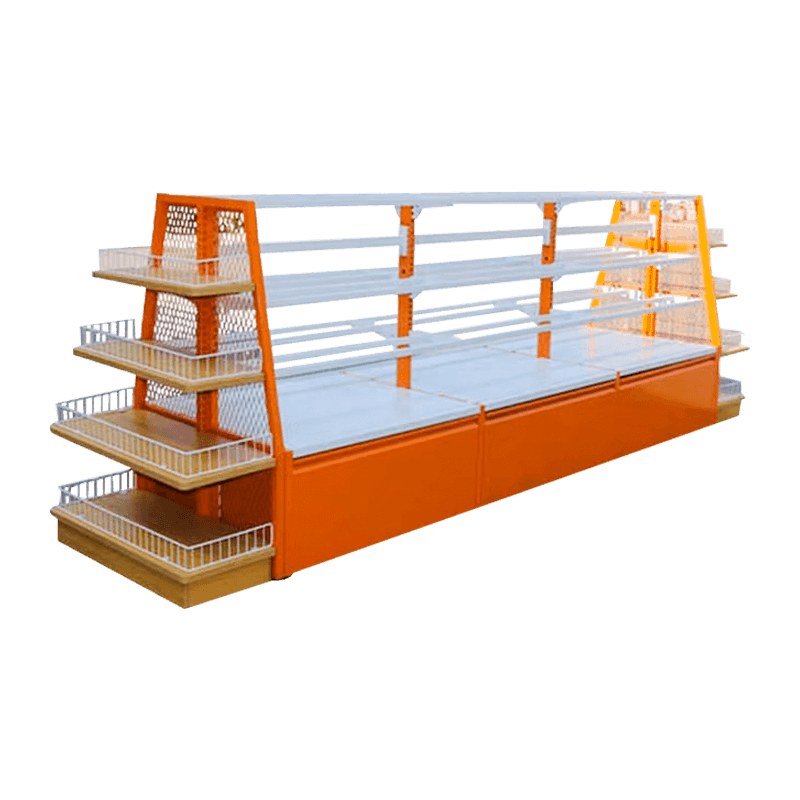
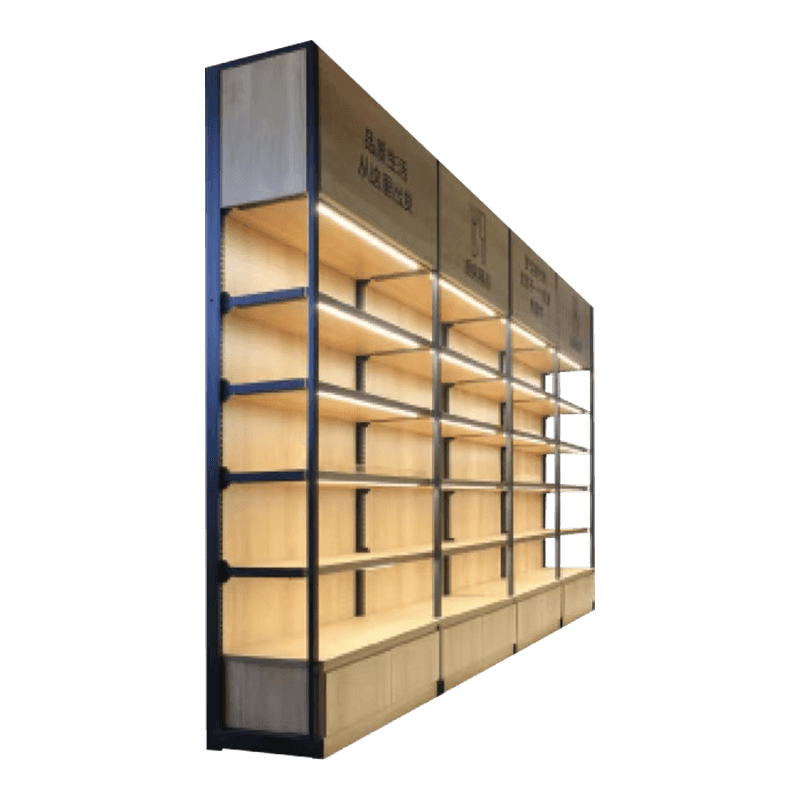
The word "series" gets used loosely in supplier catalogs, but in engineering terms it refers to a shared structural platform — common upright profiles, common bolt or slot patterns, and interchangeable accessory sets — that lets one base rig scale into gondola shelving, wall-mounted display bays, corner units, and freestanding promotional rigs without redesigning the frame. This is what separates a genuine commercial display rack series from a one-off custom weldment.
Shared Upright Architecture
Slotted steel uprights with a consistent hole pitch (typically 25mm or 50mm) allow shelf brackets, hooks, and baskets to move vertically without re-drilling, which is the mechanical backbone of any true series rig.
Interchangeable Accessory Layer
Baskets, sign holders, peg hooks, and lighting rails should clip onto the same slot system across the entire product line, so a single warehouse of accessories can serve dozens of store formats.
Certified Load Progression
Reputable series rigs publish load tables per configuration (2-tier, 4-tier, 6-tier) rather than a single blanket number, since capacity drops as shelf count and cantilever length increase.
Suzhou Juren Commercial Equipment Co., Ltd. has repeatedly seen procurement teams get burned by suppliers who market a fixed rack as a "series" simply because it comes in three sizes. The real test is whether accessories and uprights are cross-compatible across the entire catalog — not just within one product code.
Retail Display Rack vs. Warehouse Display Rig: A Data Comparison
Retail-facing display racks and heavier warehouse display rigs both fall under the "commercial display rack series" umbrella, but they diverge sharply in load capacity, finish grade, and duty cycle. The comparison below is drawn from typical mid-tier and heavy-duty specifications used across grocery, DIY, and apparel fit-outs.
Table 1: Typical specification ranges across commercial-grade retail and warehouse display rack series, compiled from common industry benchmarks. Confirm exact figures against a specific manufacturer's certified test data before procurement.
The Hidden Metric Most Buyers Skip: Deflection Under Sustained Load
Static load capacity gets all the attention in spec sheets, but deflection — how much a shelf bows under sustained weight over months of use — is the metric that predicts long-term product failure and customer-facing sagging. A shelf rated for 150 kg that deflects 8mm under load will look unacceptable in a retail aisle within a year, even though it technically meets its rating. The chart below shows relative deflection across common shelf-tier configurations at 70% of rated load.
Light Duty
Standard
Reinforced
Unreinforced
Reinforced
Relative shelf deflection (mm) at 70% rated load — lower bars indicate better long-term structural retention.
The key insight: an unreinforced 5-tier bay deflects nearly 75% more than a reinforced 5-tier bay of the same nominal load rating. When comparing commercial display rack series rigs, always ask for the deflection figure at your actual tier count, not just the manufacturer's best-case 2-tier number.
Where Display Rack Series Rigs Get Deployed: Industry Application Breakdown
Demand for modular display rigs spans several verticals, each with different priorities — apparel wants aesthetics and mobility, grocery wants density and load, exhibitions want fast teardown. The distribution below reflects typical order-volume share across these segments for a mid-size commercial racking supplier.
Figure 1: Approximate order-volume distribution of commercial display rack series rigs by end-use sector, based on typical fit-out procurement patterns.
Selection Guide: A Five-Step Process for Choosing the Right Rig
Choosing among commercial display rack series rigs should follow a repeatable process rather than a gut-feel comparison of unit prices. Below is the sequence procurement teams typically use when specifying a multi-store or multi-warehouse rollout.
Step 1 — Audit Actual Load Profile
Weigh a representative sample of your densest SKU category per shelf-foot, not just the average product. Peak load, not average load, determines whether a rig survives.
Step 2 — Confirm Cross-Series Accessory Compatibility
Request the accessory compatibility matrix in writing before ordering. This prevents costly mismatches when a store later needs baskets or hooks from a different bay size within the same series.
Step 3 — Request Deflection and Fatigue Test Data
Ask specifically for deflection figures at your actual tier count and a cyclical load test report, not just a single static break-point rating.
Step 4 — Model Total Cost Over 5 Years
Include reconfiguration labor, replacement-part availability, and finish touch-up costs, not just the initial per-bay unit price. This is where fixed racking often loses to true modular series rigs.
Step 5 — Pilot Before Full Rollout
Fit out one store or warehouse zone first and monitor deflection and wear over 90 days before committing to a multi-site order.
ROI Snapshot: Modular Series Rigs vs. Fixed Racking
~32%
Lower 5-year total cost of ownership versus fixed-frame racking, driven mainly by reduced reconfiguration labor.
~70%
Faster store reset or seasonal reconfiguration time when accessories are cross-compatible across the series.
2–3 yrs
Typical payback period for the modest price premium of a certified series rig over a comparable fixed unit.
Maintenance and Compliance Recommendations
Even a well-specified commercial display rack series rig needs a maintenance rhythm to hit its rated service life. The recommendations below reflect common practice across retail and warehouse safety programs.
- Inspect upright anchor bolts and baseplates quarterly for loosening caused by repeated shelf reconfiguration.
- Check for visible deflection against a baseline photo taken at installation — sagging beyond 1.5x the certified figure warrants immediate load reduction.
- Confirm local retail racking safety signage and load-rating labels remain legible, as most jurisdictions require visible weight limits on customer-facing display equipment.
- Re-torque connection hardware after the first 30 days of a new installation, since initial settling can loosen bolted joints.
- Retain accessory and load-rating documentation on file for insurance and liability purposes, particularly for warehouse-grade rigs carrying loads above 200 kg per tier.
Suzhou Juren Commercial Equipment Co., Ltd. builds its display rack series rigs with load-rating labels and compatibility documentation included as standard, precisely because procurement teams are increasingly asked to produce this paperwork during store safety audits.
Frequently Asked Questions
1. What load capacity should a commercial display rack series rig have?
Most retail applications need 80–150 kg per shelf tier, while warehouse or DIY applications typically require 200–350 kg per tier. Always confirm the rating at your specific tier count, since capacity drops as more shelves are added.
2. How is a "series" rig different from a standard fixed display rack?
A true series rig shares a common upright and accessory system across its entire product line, allowing shelves, baskets, and hooks to be reconfigured or moved between bay sizes without new hardware.
3. How long should a commercial display rig last?
Retail-grade rigs typically carry a certified frame life of 6–8 years, while heavier warehouse-grade rigs are usually rated for 10–12 years under continuous use.
4. Why does shelf deflection matter if the rack meets its load rating?
Deflection reflects long-term bowing under sustained weight. A shelf can technically meet its static load rating and still sag visibly over months, which affects both appearance and structural fatigue life.
5. How long does it take to reconfigure a display rack bay?
Well-designed retail series rigs can be reconfigured in 5–10 minutes per bay using tool-free slot systems, while heavier warehouse rigs typically take 15–25 minutes due to bolted connections.
6. What documentation should a supplier provide with a display rack order?
At minimum, request per-tier load ratings, deflection test data at your actual configuration, and an accessory compatibility matrix. This documentation is also useful for internal safety audits.
7. Are modular series rigs more expensive than fixed racking upfront?
Series rigs typically carry a modest price premium at purchase, but this is usually offset within 2–3 years through lower reconfiguration labor and reduced part duplication across store formats.
8. What maintenance does a commercial display rack series rig need?
Quarterly checks on anchor bolts and baseplates, periodic deflection comparisons against installation photos, and re-torquing hardware after the first 30 days of use are the core maintenance steps.
Summary: Choosing a Commercial Display Rack Series Rig That Holds Up
The data is consistent across retail and warehouse deployments: commercial display rack series rigs earn their premium over fixed racking through lower total cost of ownership, faster reconfiguration, and a longer certified service life — but only when the "series" claim is backed by genuine cross-compatible architecture, published deflection data, and documented load ratings per tier. Buyers who skip the deflection and compatibility checks are the ones who end up replacing racking years ahead of schedule.
Specifying a Display Rack Rollout?
Suzhou Juren Commercial Equipment Co., Ltd. supplies certified load-rating documentation, deflection data, and cross-compatible accessory systems for every commercial display rack series rig it manufactures — request a spec sheet before your next fit-out.