 English
 Español
 русский
 عربى
عربى 中文简体
中文简体
Content
- 1 Core Conclusion & Executive Summary
- 2 Core Principles and Technical Anatomy of a High-Performance Produce Display
- 3 Comprehensive Data Comparison: Material Analysis for Produce Shelving
- 4 Hidden Metrics: Analyzing Shrinkage and Customer Pick Rates
- 5 Industry Application Distribution: Matching the Rack to the Retail Format
- 6 ROI Analysis and Strategic Selection Guide
- 7 Maintenance Protocols and Regulatory Compliance
- 8 Frequently Asked Questions (FAQ)
- 9 Conclusion: Elevate Your Fresh Produce Strategy with Suzhou Juren
The Ultimate 2026 Guide to Choosing the Perfect Fruit and Vegetable Rack for Shop
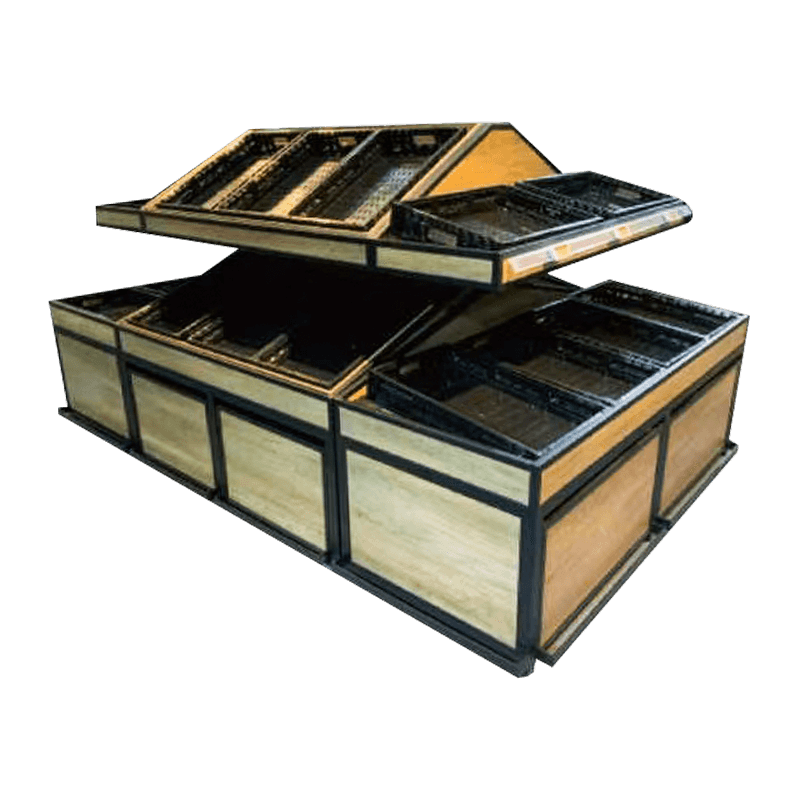
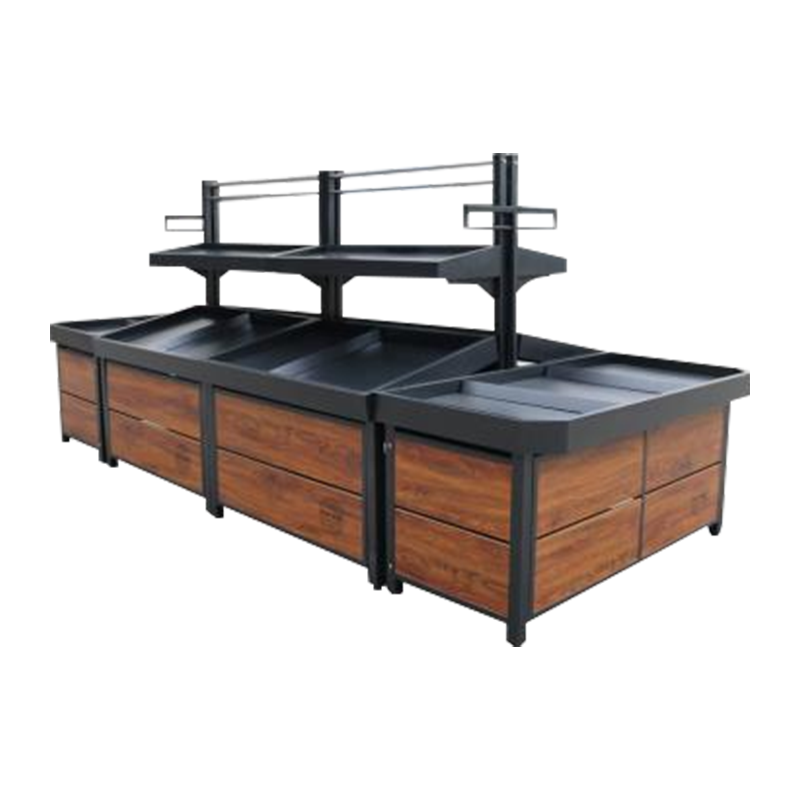
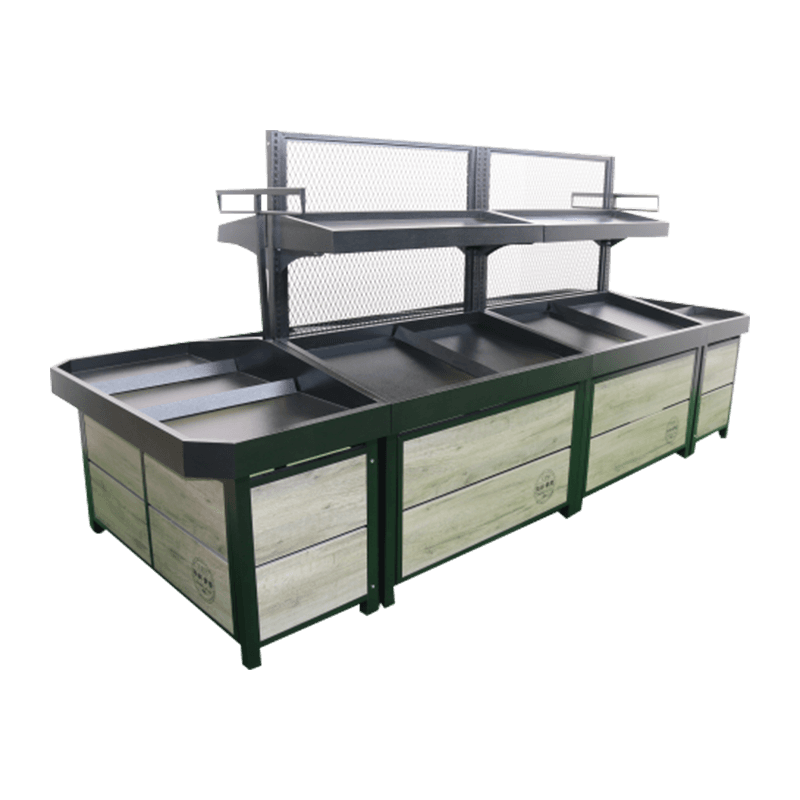
In the highly competitive retail grocery sector, the fresh produce section is the undisputed heartbeat of the store. It drives foot traffic, establishes store perception, and significantly influences overall basket size. However, the success of this section relies heavily on one critical piece of infrastructure: the fruit and vegetable rack for shop. As we navigate the retail landscape in 2026, the evolution of display fixtures has moved beyond simple storage to become a sophisticated tool for visual merchandising, inventory management, and customer psychology. This comprehensive guide, backed by industry data and manufacturing expertise from Suzhou Juren Commercial Equipment Co., Ltd., will decode the science, economics, and strategic selection of commercial produce displays.
Core Conclusion & Executive Summary
Strategic Insight: Upgrading to a modern, ergonomically designed fruit and vegetable rack for shop can increase fresh produce sales by up to 22% while reducing shrinkage (spoilage) by 15%.
Material Verdict: Cold-rolled steel with epoxy powder coating remains the undisputed champion for durability and hygiene in high-traffic supermarkets, while solid wood and woven materials serve specific boutique aesthetics.
ROI Reality: The initial capital expenditure for premium produce shelving is typically recovered within 8 to 14 months through increased turnover rates and reduced product damage.
Core Principles and Technical Anatomy of a High-Performance Produce Display
Designing the optimal fruit and vegetable rack for shop requires a deep understanding of material science, ergonomic engineering, and retail psychology. It is not merely about holding weight; it is about presenting the product in its most appealing state while ensuring operational efficiency for store staff.
Ergonomic Tilt & Gravity Flow
The optimal tilt angle for a produce bin is between 15 to 25 degrees. This specific geometry ensures that products naturally slide forward (FIFO - First In, First Out), preventing older stock from being buried and crushed at the back. It also creates a "waterfall" visual effect that makes the display look abundantly full.
Advanced Surface Treatment
Fresh produce environments are highly corrosive due to moisture, soil, and acidic juices. Premium racks utilize a multi-stage process: degreasing, rust-phosphating, and a final electrostatic epoxy powder coating. This creates a food-safe, anti-microbial, and scratch-resistant barrier that outlasts traditional liquid paint by 300%.
Modular & Hybrid Configurations
Modern retail demands flexibility. The best fixtures feature modular bin systems that can be swapped out to accommodate different SKU sizes—from small cherry tomatoes to bulk potatoes. Integrating LED lighting strips into the canopy not only enhances color vibrancy but also reduces ambient heat, extending product shelf life.
Comprehensive Data Comparison: Material Analysis for Produce Shelving
Selecting the right material for your fruit and vegetable rack for shop is a critical capital decision. Below is a rigorous technical and economic comparison of the four primary materials used in the global market.
Hidden Metrics: Analyzing Shrinkage and Customer Pick Rates
Beyond the initial purchase price, the true cost of a fruit and vegetable rack for shop is measured in operational efficiency and product preservation. Poorly designed bins lead to "bruising shrinkage" (produce damaged by falling or being crushed), while optimal designs maximize the "customer pick rate" (the percentage of displayed items actually purchased). The following bar chart illustrates the average monthly shrinkage rate and customer pick rate across different display types in a standardized 5,000 sq ft supermarket.
Monthly Produce Shrinkage Rate vs. Customer Pick Rate by Display Type
Traditional
Flat Bin
Tiered Step
Display
Gravity Flow
Rack (Optimal)
Wicker
Baskets
Data indicates that Gravity Flow Racks reduce shrinkage by up to 72% compared to traditional wicker baskets, directly impacting the bottom line.
Industry Application Distribution: Matching the Rack to the Retail Format
Not all stores are created equal, and neither are their display requirements. The global procurement of the fruit and vegetable rack for shop is heavily segmented by retail format. Understanding where your business fits in this ecosystem is crucial for selecting the right aesthetic and functional profile.
Hypermarkets & Large Supermarkets (45%)
Demand high-capacity, heavy-duty steel gravity racks with integrated misting systems and LED lighting. Focus is on volume, durability, and operational efficiency.
Mid-Size Supermarkets & Grocery Chains (27%)
Seek a balance of aesthetics and function. Often opt for hybrid steel-wood designs or modular steel bins that offer a premium look without sacrificing load capacity.
Specialty Organic & Boutique Stores (16%)
Prioritize natural aesthetics. High demand for solid wood, bamboo, and high-end woven materials that convey freshness, sustainability, and artisanal quality.
Convenience Stores & Wet Markets (12%)
Require compact, highly durable, and easy-to-clean solutions. Plastic and basic steel frames dominate here due to space constraints and rigorous washing routines.
ROI Analysis and Strategic Selection Guide
Investing in a premium fruit and vegetable rack for shop is not an expense; it is a revenue-generating asset. To maximize return on investment, procurement managers must follow a structured selection and implementation process.
Space & Traffic Mapping
Analyze store layout. Ensure aisles are at least 1.2 meters wide for cart traffic. Position the produce section at the store entrance to leverage the "decompression zone" and establish a fresh, high-quality perception immediately.
SKU Profiling & Bin Sizing
Audit your produce inventory. High-turnover items (bananas, apples) need large, deep bins. Delicate items (berries, herbs) require shallow, gently sloped bins with protective padding to prevent bruising.
Lighting & Climate Integration
Specify racks with built-in LED canopy mounts. Use 3000K-4000K (warm to neutral white) LEDs to enhance natural colors without emitting heat. Consider integrated misting nozzles for leafy greens.
Total Cost of Ownership (TCO) Calculation
Look beyond the unit price. Calculate TCO including freight (flat-pack vs. assembled), expected lifespan, maintenance costs, and the projected revenue increase from reduced shrinkage. Premium steel racks usually offer the lowest TCO.
Maintenance Protocols and Regulatory Compliance
To ensure your fruit and vegetable rack for shop maintains its structural integrity and aesthetic appeal, strict adherence to maintenance protocols and food safety regulations is mandatory.
Daily & Weekly Maintenance Checklist
- Daily Sanitization: Wipe down all steel and plastic surfaces with a food-safe, non-abrasive cleaner. Avoid bleach on powder-coated surfaces as it can degrade the finish over time.
- Drainage Inspection: Ensure all weep holes and drainage channels in the bins are completely clear of debris. Standing water accelerates corrosion and promotes bacterial growth.
- Structural Integrity Check: Weekly, inspect all welding joints, casters, and leveling feet. Tighten any loose bolts immediately to prevent rack wobbling, which can cause product falls.
- Load Distribution: Train staff to distribute heavy root vegetables (potatoes, onions) evenly across the bin base. Concentrated point-loads can permanently deform the bin floor.
Global Compliance & Certifications
When sourcing globally, ensure your manufacturer provides the following certifications to meet local import and food safety laws:
Frequently Asked Questions (FAQ)
Procurement managers and store owners often have specific technical and logistical questions. Here are the top 8 high-frequency inquiries regarding the fruit and vegetable rack for shop.
Conclusion: Elevate Your Fresh Produce Strategy with Suzhou Juren
The selection of the right fruit and vegetable rack for shop is a critical strategic decision that directly impacts your store's profitability, operational efficiency, and brand perception. As demonstrated by the data, investing in high-quality, ergonomically designed, and durable steel display fixtures yields a rapid ROI through increased sales velocity and drastically reduced product shrinkage.
At Suzhou Juren Commercial Equipment Co., Ltd., we specialize in engineering world-class commercial shelving solutions. With over a decade of manufacturing excellence, state-of-the-art automated production lines, and a deep understanding of global retail trends, we provide bespoke, high-performance produce displays tailored to your exact specifications. From heavy-duty hypermarket gravity racks to elegant boutique wood-steel hybrids, we deliver quality that lasts.
Ready to Transform Your Fresh Produce Section?
Partner with Suzhou Juren for premium, durable, and ROI-driven commercial equipment. Contact our engineering team today for a free store layout consultation and a customized quotation.
Request a Free Quote & 3D Layout