 English
 Español
 русский
 عربى
عربى 中文简体
中文简体
Content
Ergonomic Design Principles for Checkout Efficiency
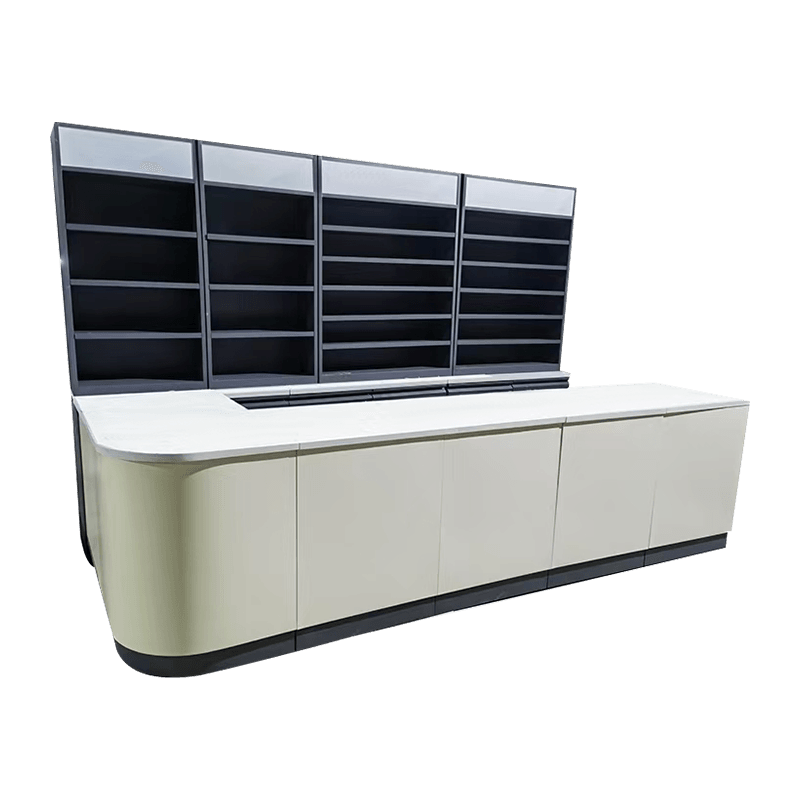
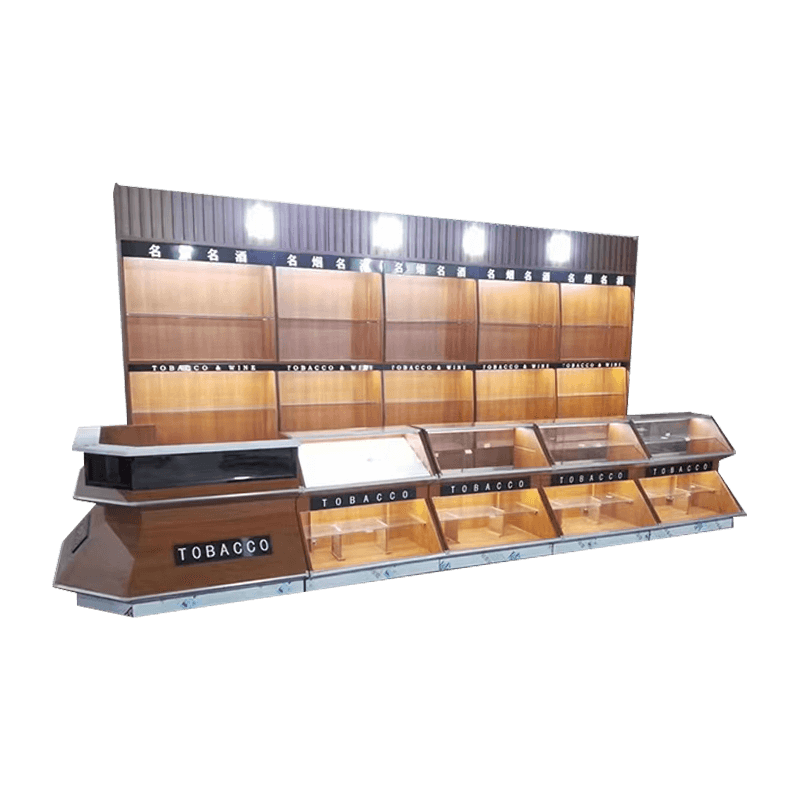
Modern Checkout Display Counters integrate anthropometric data to reduce cashier fatigue and accelerate transaction throughput. The countertop height typically ranges from 900mm to 1050mm, accommodating both standing cashiers and seated operators while maintaining comfortable reach zones for scanning devices, payment terminals, and bagging areas. A smooth, non-porous laminate or stainless steel surface ensures easy cleaning and resistance to spills, scratches, and daily wear. Rounded front edges prevent customer discomfort during leaning interactions, while a slightly recessed cashier side creates a dedicated workspace that keeps operational tools within immediate reach without encroaching on the customer-facing display zone.
Optimizing Cashier Workflow and Customer Flow
- Position barcode scanners at a 15-degree angle to minimize wrist strain during repetitive scanning motions, reducing long-term musculoskeletal risk for staff.
- Integrate cable management channels beneath the countertop to keep power cords and data cables organized, preventing tripping hazards and maintaining a clean visual presentation.
- Design the customer-facing edge with a slight overhang to create a natural barrier that guides queue movement while protecting impulse items from accidental displacement.
The spacious countertop surface serves dual purposes: facilitating efficient payment processing and acting as a strategic staging area for last-minute add-ons. By allocating a dedicated 30cm x 30cm zone near the payment terminal for high-margin, low-cost items like chewing gum, mints, or phone chargers, retailers capitalize on the dwell time customers experience while completing transactions. This intentional placement leverages behavioral economics principles, where the perceived convenience of grabbing a small item during checkout significantly increases conversion rates without requiring additional floor space or staff intervention.
Strategic Impulse Merchandising at Point of Sale
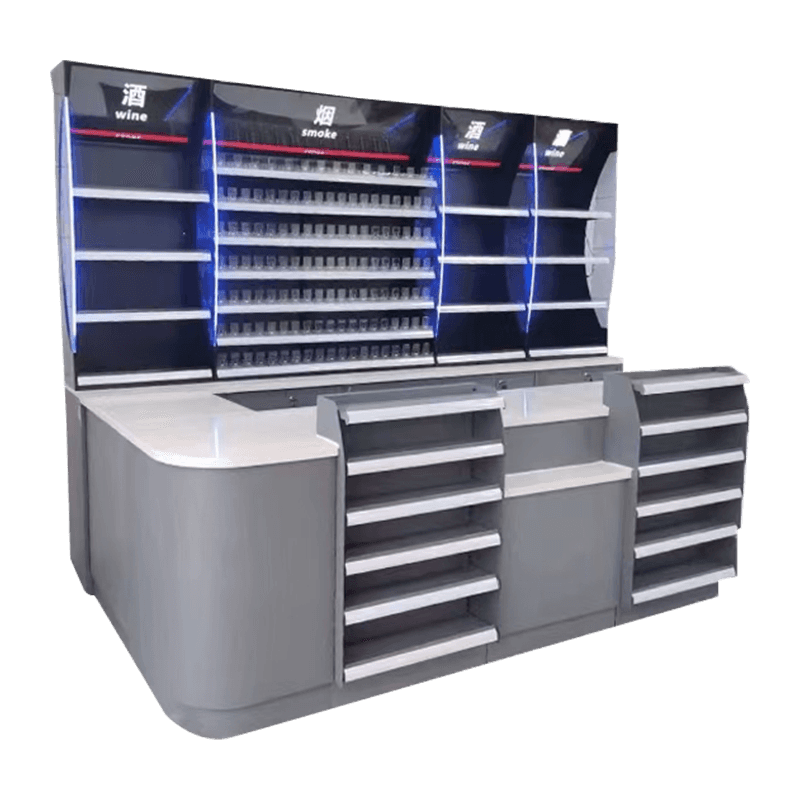
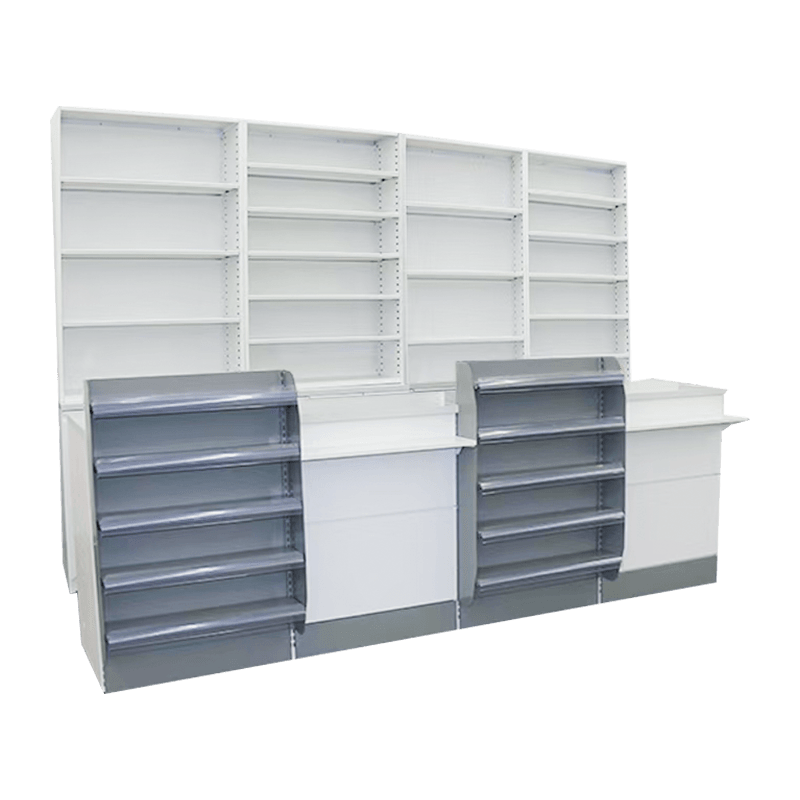
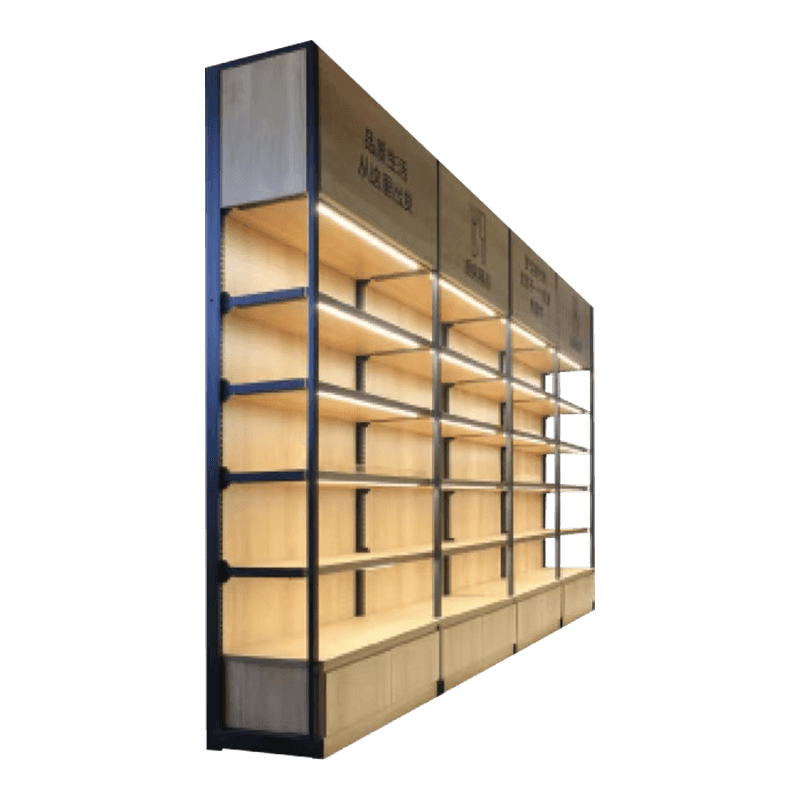
The front-facing multi-tier shelving on Checkout Display Counters transforms passive waiting time into active revenue generation. These shelves, typically arranged in three to five graduated levels, create a visual funnel that draws the customer's eye downward from eye-level promotions to lower-priced impulse triggers. Each tier should be adjustable to accommodate products of varying heights, from slim lip balms to bulkier snack packs. Lighting integration, such as LED strip accents along shelf edges, enhances product visibility and creates a premium presentation that justifies slightly higher price points for featured items.
| Shelf Tier | Recommended Product Type | Psychological Trigger |
| Eye Level (140-160cm) | New arrivals, seasonal promotions, premium snacks | Visibility and novelty drive curiosity-based purchases |
| Mid Level (100-140cm) | High-margin essentials: batteries, lighters, travel-size items | Convenience and immediate need fulfillment |
| Lower Level (60-100cm) | Bulk candies, kids' toys, promotional bundles | Impulse discovery and family-oriented decision making |
Maximizing Visibility with Multi-Tier Shelving
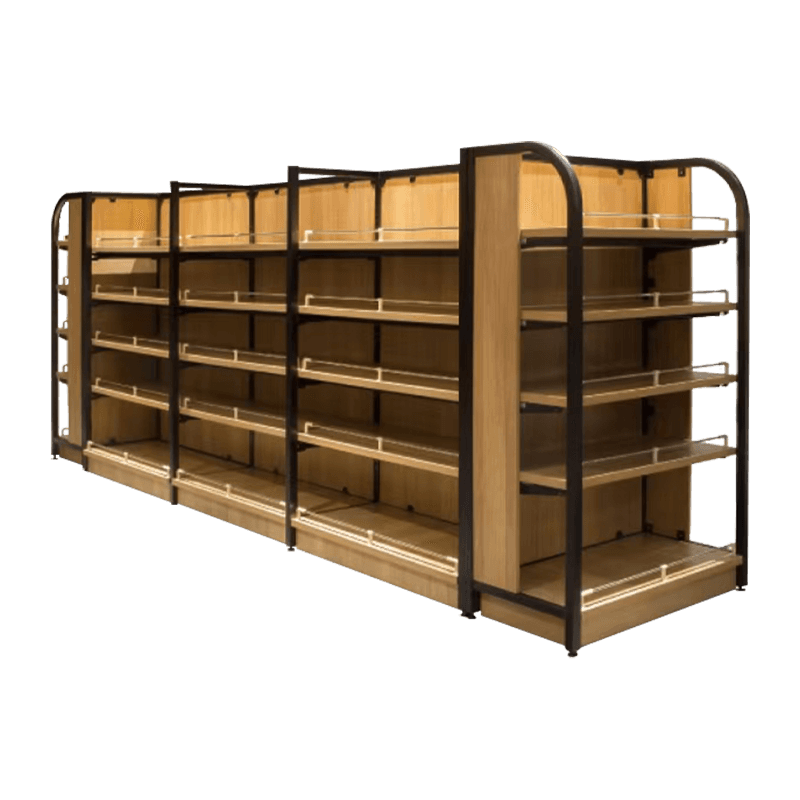
Effective shelf utilization requires regular rotation of featured products to maintain customer interest and prevent visual fatigue. Retailers should implement a weekly refresh cycle for top-tier items, aligning promotions with local events, weather patterns, or trending social media topics. Clear acrylic dividers or adjustable peg hooks keep merchandise neatly organized while allowing easy restocking without disrupting the overall display aesthetic. When integrated with Grocery Store Display Cabinets elsewhere in the store, the checkout counter's promotional strategy can reinforce broader campaign themes, creating a cohesive brand narrative that guides customers from browsing to purchasing.
Integrated Storage Solutions for Operational Organization
Behind the customer-facing display, functional storage compartments within Checkout Display Counters address the practical needs of daily retail operations. Lockable cabinets beneath the countertop provide secure storage for cash drawers, receipt paper rolls, and high-value small items, while open shelving units offer quick access to frequently used supplies like shopping bags, cleaning wipes, or promotional flyers. This dual-layer storage approach minimizes staff movement away from the checkout zone, reducing transaction time and maintaining a professional, uncluttered workspace that enhances customer trust.
- Incorporate ventilated compartments for temperature-sensitive items like chilled beverages or chocolate bars, preserving product quality during peak hours.
- Design modular drawer inserts with customizable dividers to organize small operational tools: price guns, label makers, and loyalty program cards.
- Include a dedicated waste bin compartment with a foot-pedal release to maintain hygiene standards without compromising counter aesthetics or floor space.
Balancing Display Space with Backstock Management
Efficient inventory rotation relies on seamless integration between front-facing display shelves and rear storage capacity. Grocery Store Display Cabinets positioned near checkout zones should complement the counter's storage design, allowing staff to restock impulse items without leaving the register area. Implementing a first-in-first-out (FIFO) labeling system on storage shelves ensures product freshness and reduces waste from expired promotional items. Additionally, transparent cabinet doors or open shelving in the staff zone enable quick visual inventory checks, minimizing downtime during restocking cycles and maintaining consistent product availability during high-traffic periods.
Space-Efficient Configurations for Compact Retail Environments
Convenience stores and urban grocery locations often operate within stringent square footage constraints, making modular Checkout Display Counters essential for maximizing revenue per square foot. Corner-unit designs with L-shaped configurations utilize otherwise wasted space while maintaining clear sightlines for staff supervision. Wall-mounted variants with fold-down display panels offer flexibility for pop-up promotions or seasonal expansions, retracting flush against the wall when not in use to preserve aisle width and customer flow. Each configuration should be evaluated against traffic pattern analytics to ensure the counter enhances rather than obstructs the natural movement of shoppers through the store.
| Counter Configuration | Ideal Store Layout | Key Advantage |
| Straight Linear | Narrow aisle stores, high-volume quick-service locations | Maximizes frontage for impulse displays while minimizing footprint |
| L-Shaped Corner | Square or irregular floor plans, multi-entrance stores | Utilizes corner space efficiently, creates natural queue guidance |
| Island Modular | Large-format convenience stores, high-traffic transit hubs | 360-degree product exposure, supports multiple cashier stations |
Customizable Modular Options for Diverse Store Layouts
Flexibility in Checkout Display Counters extends to customizable finishes, shelving densities, and technology integrations. Retailers can select countertop materials that match existing Grocery Store Display Cabinets for brand consistency, while choosing shelf configurations that prioritize either high-volume snack displays or curated premium product rotations. Integrated power outlets and USB charging ports accommodate modern payment terminals and mobile POS systems, future-proofing the investment against evolving retail technology. By treating the checkout counter as a dynamic merchandising platform rather than a static fixture, store owners can adapt quickly to changing consumer behaviors and seasonal demand shifts without costly renovations or replacements.