 English
 Español
 русский
 عربى
عربى 中文简体
中文简体
Content
- 1 Why Modern Shopping Centers Are Upgrading Their Cashier Desk Setup
- 2 Flexible Mobility That Redefines How a Cashier Desk Operates
- 3 High-Speed Scanning and Multi-Payment Support for Efficient Checkout
- 4 Comparing Traditional Fixed Counters vs. Automatic Cash Checkout Counter
- 5 User Experience Design That Reduces Errors and Fatigue
- 6 Durability and Long-Term Reliability in High-Traffic Environments
- 7 Choosing the Right Cashier Desk Configuration for Your Shopping Center
Why Modern Shopping Centers Are Upgrading Their Cashier Desk Setup
The checkout experience has become one of the most critical touchpoints in retail. Long queues, slow processing, and limited payment options drive customers away — and shopping centers are responding by rethinking the traditional cashier desk entirely. The shift toward smarter, more flexible checkout infrastructure is not just about aesthetics; it directly impacts revenue, staff productivity, and customer retention. In high-footfall environments like supermarkets and shopping centers, even a 30-second reduction in average checkout time can translate into thousands of additional transactions per month.
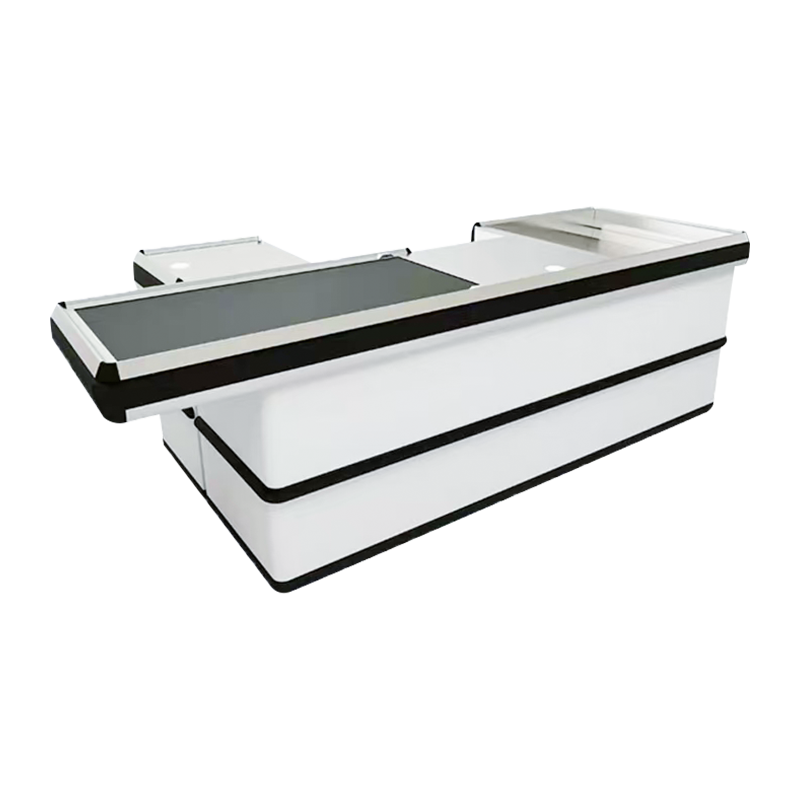
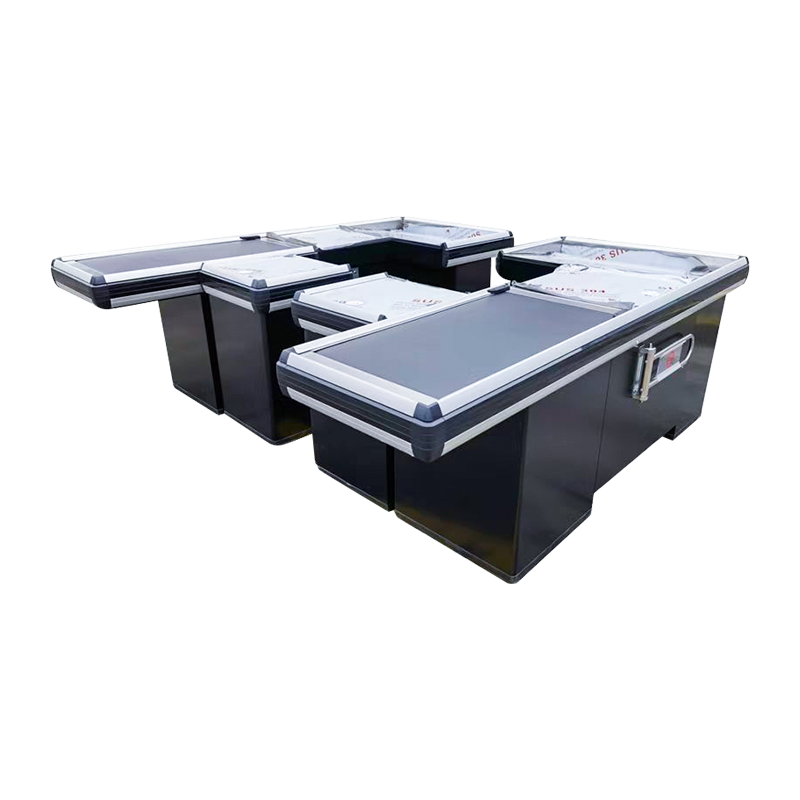
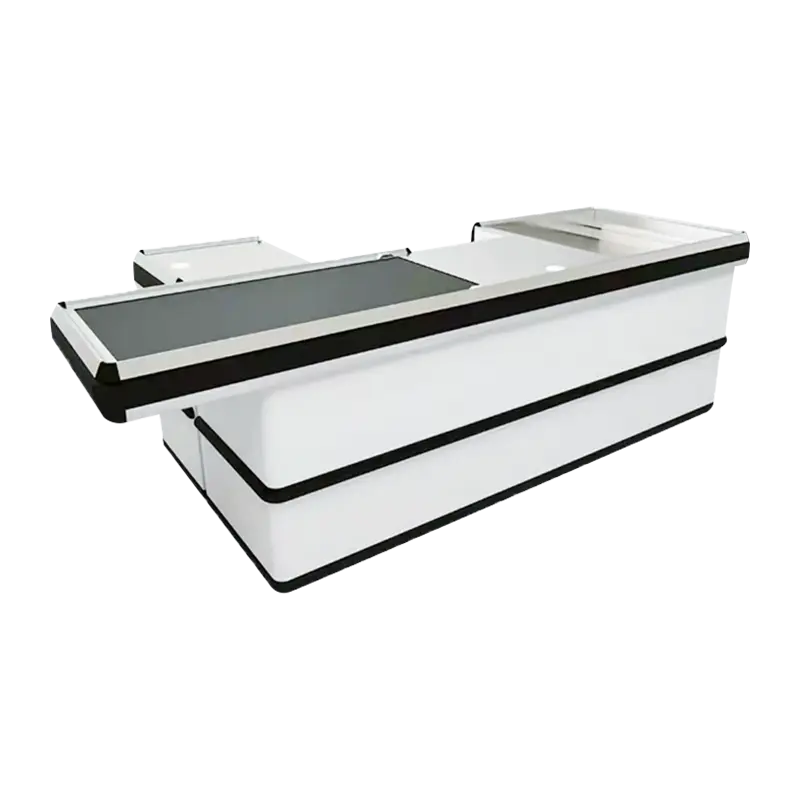
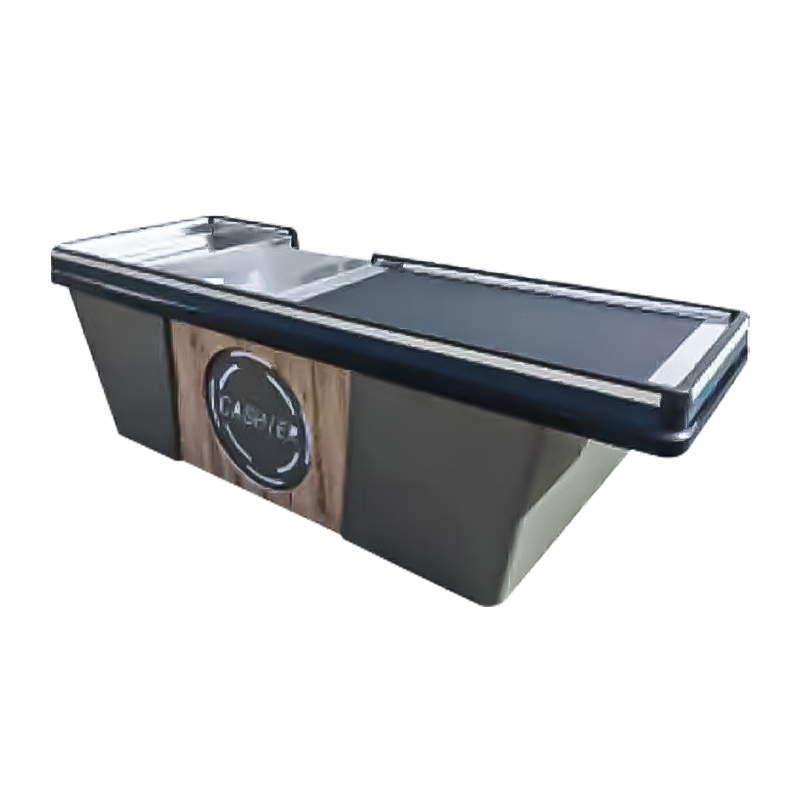
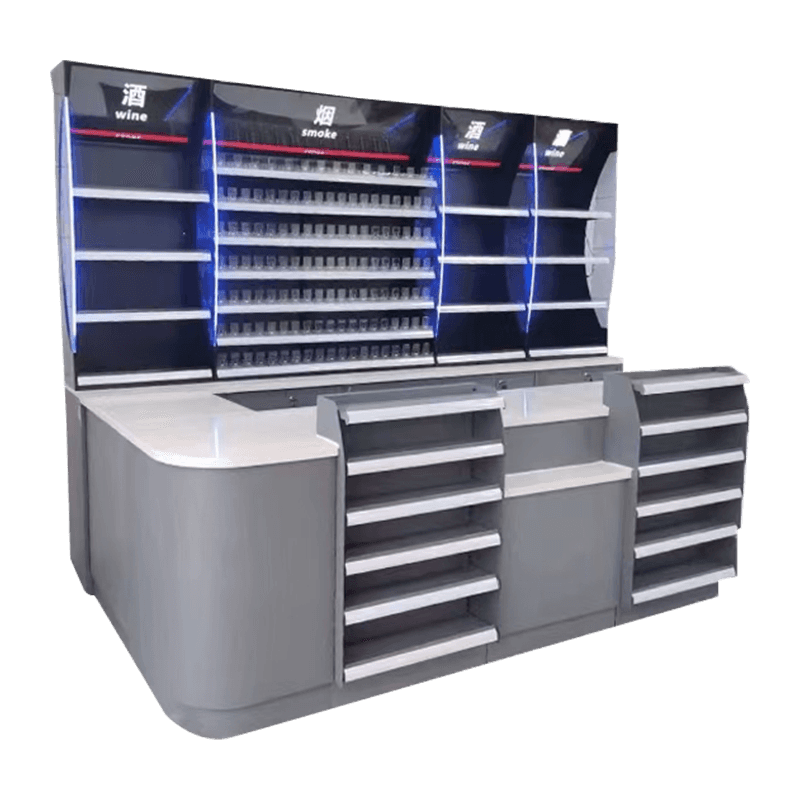
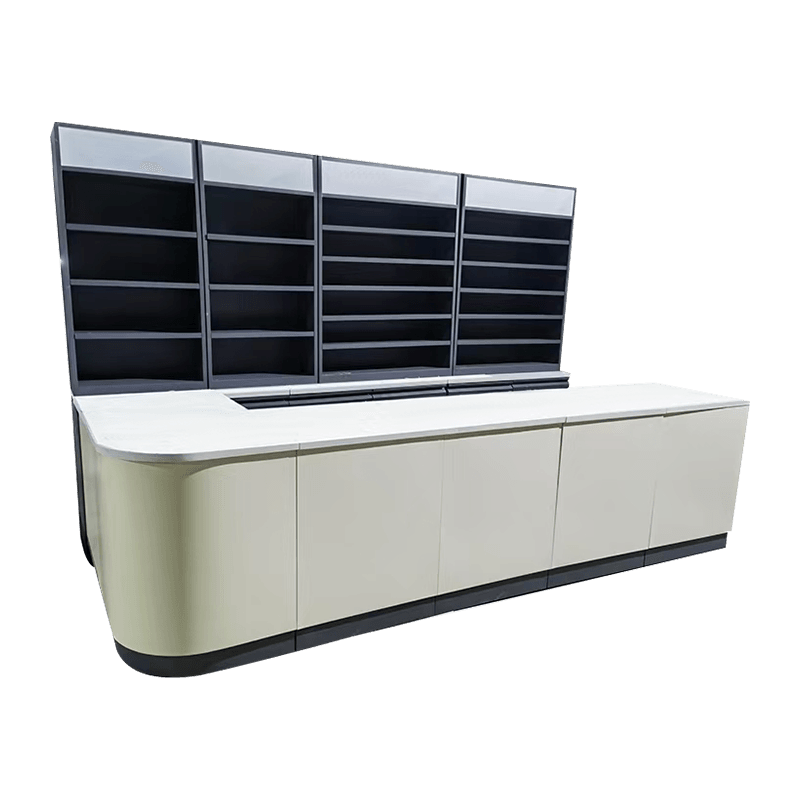
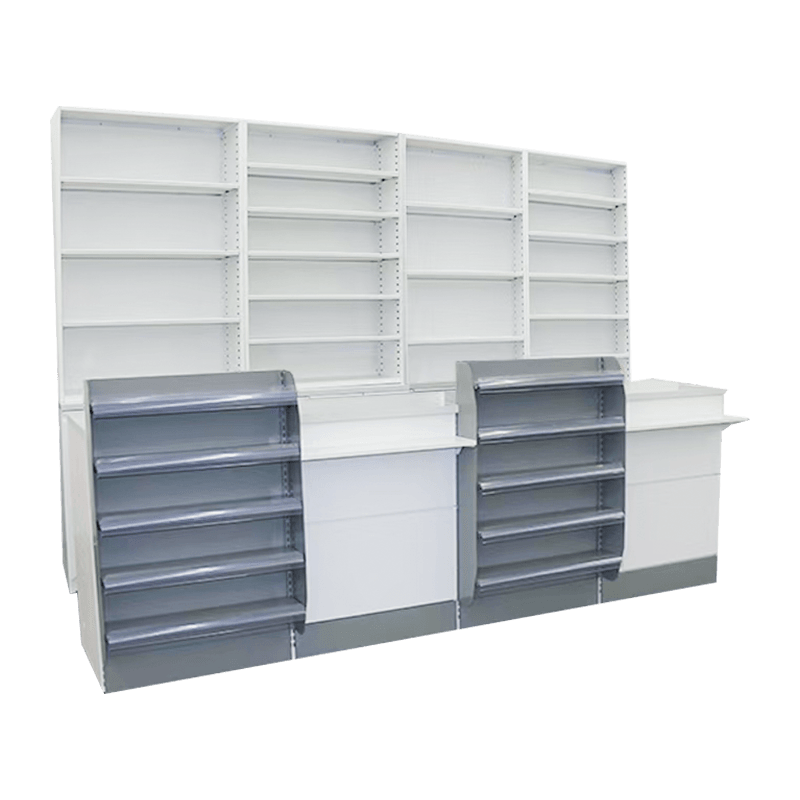
The introduction of the Automatic Cash Checkout Counter represents a significant step forward in this transformation. Unlike legacy fixed setups, these systems are engineered for the dynamic, high-demand nature of modern retail — combining speed, reliability, and adaptability in a single unit.
Flexible Mobility That Redefines How a Cashier Desk Operates
One of the most immediate advantages of the modern electric cashier station is its mobility system. Traditional fixed cashier desks require significant labor and downtime when repositioning is needed — rewiring electrical connections, coordinating with facility teams, and often shutting down checkout lanes temporarily. In a shopping center environment where peak traffic can shift dramatically from weekdays to weekends, or during promotional campaigns, this inflexibility is a real operational liability.
The new generation of Automatic Cash Checkout Counter units resolves this directly. Designed with a flexible mobility system, these stations can be repositioned across different areas of the supermarket with minimal effort and no need for manual re-wiring. Whether reconfiguring the floor plan for a seasonal sale, opening a temporary checkout lane during a product launch event, or redistributing checkout capacity based on real-time customer flow data, staff can physically relocate the station in minutes rather than hours.
This capability is especially valuable in large shopping centers where foot traffic patterns are rarely static. A cashier desk that can follow the customer — rather than forcing the customer to adapt — is no longer a luxury feature but a practical operational necessity.
High-Speed Scanning and Multi-Payment Support for Efficient Checkout
Processing speed is the core performance metric of any cashier desk, and the Automatic Cash Checkout Counter is built around a high-speed, stable cashier system. The unit can rapidly scan all common barcode formats, including standard 1D barcodes and complex 2D QR codes, completing product identification and pricing in an instant. A powerful onboard processor ensures that even during simultaneous transaction processing — a common scenario during peak shopping hours — performance remains smooth and lag-free.
The station also supports a comprehensive range of payment methods, covering the full spectrum of how customers prefer to pay today:
- Cash handling with automated counting and change dispensing
- Credit and debit card transactions via integrated card readers
- Mobile payment platforms including NFC-based tap-to-pay and QR-code-based wallets
By eliminating the friction of limited payment acceptance, shopping centers can reduce queue abandonment significantly. Studies in retail operations have found that 15–20% of checkout delays are caused by customers switching lanes or waiting while cashiers process unfamiliar payment types. A unified, multi-method payment interface on the cashier desk removes this bottleneck entirely.
Comparing Traditional Fixed Counters vs. Automatic Cash Checkout Counter
Understanding the practical differences between conventional setups and the modern Automatic Cash Checkout Counter helps shopping center managers make informed procurement decisions. The table below outlines the key distinctions across operational dimensions:
| Feature | Traditional Fixed Cashier Desk | Automatic Cash Checkout Counter |
|---|---|---|
| Mobility | Fixed; requires rewiring to move | Fully mobile; repositioned without rewiring |
| Barcode Scanning | Basic 1D barcode only | 1D and 2D (QR) codes supported |
| Payment Methods | Cash and card (limited) | Cash, card, and mobile payments |
| Noise Level | Noticeable mechanical noise | Silent operation design |
| Cashier Interface | Complex; steep learning curve | Intuitive UI with clear icons |
| Maintenance Cost | Higher due to wear and damage | Lower; built for frequent movement |
User Experience Design That Reduces Errors and Fatigue
Beyond technical performance, the design philosophy of the modern cashier desk places equal emphasis on the human experience — specifically, the cashier who spends an entire shift at the station. The user interface of the Automatic Cash Checkout Counter is built around clarity: a high-resolution display, simplified icon-based navigation, and logical workflow sequencing all contribute to faster onboarding for new staff and fewer operational errors during busy periods.
Ergonomics and Silent Operation
The station is designed at a comfortable operating height with an adjustable display angle, directly addressing the physical fatigue associated with prolonged cashier work. Musculoskeletal discomfort is one of the most cited reasons for staff turnover in retail environments, and ergonomic hardware design offers a measurable contribution to employee wellbeing and retention.
The silent design is another feature particularly relevant to shopping centers, where ambient noise from multiple checkout lanes can accumulate into a noticeably disruptive environment. With near-silent operation, both cashiers and customers benefit from a calmer, less stressful atmosphere — which research in retail psychology consistently links to higher customer satisfaction scores and increased average basket sizes.
Durability and Long-Term Reliability in High-Traffic Environments
A cashier desk in a supermarket or large shopping center operates under demanding conditions — continuous daily use, physical contact from staff and customers, and in the case of mobile units, regular repositioning that introduces vibration and minor impact stress. The Automatic Cash Checkout Counter addresses these demands through its material selection and manufacturing quality.
Constructed from durable, high-quality materials and subject to rigorous quality testing before deployment, the station is engineered to resist the kind of degradation that typically forces early replacement or costly repair of traditional units. Its resistance to malfunctions caused by frequent movement or collisions is particularly important for shopping centers that plan to leverage the mobility feature actively.
From a total cost of ownership perspective, the reduced maintenance burden is a compelling factor. A cashier desk that requires fewer service interventions over its operational life lowers both direct maintenance costs and the indirect cost of downtime — lanes taken out of service for repairs represent lost transaction capacity at the most inopportune times.
Shopping centers evaluating checkout infrastructure upgrades should consider not just the upfront investment but the multi-year reliability profile of each option. The Automatic Cash Checkout Counter's proven stability under high-frequency use positions it as a long-term operational asset rather than a short-cycle capital expense.
Choosing the Right Cashier Desk Configuration for Your Shopping Center
Not every shopping center has the same layout, traffic pattern, or staffing model, which is why flexibility in checkout infrastructure matters so much. When evaluating an Automatic Cash Checkout Counter for deployment, consider the following key factors:
- Peak traffic analysis: Identify your highest-volume periods and calculate the number of active checkout lanes needed. Mobile units allow you to scale up quickly without permanent infrastructure investment.
- Payment method distribution: Review your current transaction data to understand the share of cash, card, and mobile payments. A cashier desk that natively supports all three eliminates the need for separate peripheral hardware.
- Staff training requirements: Evaluate how intuitive the interface is for new hires. A simpler UI reduces onboarding time and minimizes transaction errors during the learning phase.
- Maintenance and service agreements: Confirm what after-sale support is available, including response times for hardware faults and availability of spare parts — particularly for high-mobility deployments.
The evolution of the cashier desk from a static piece of furniture to a dynamic, intelligent checkout system reflects a broader shift in how shopping centers think about operations. Investing in an Automatic Cash Checkout Counter is, ultimately, an investment in the efficiency, reliability, and customer experience quality that define competitive retail performance.